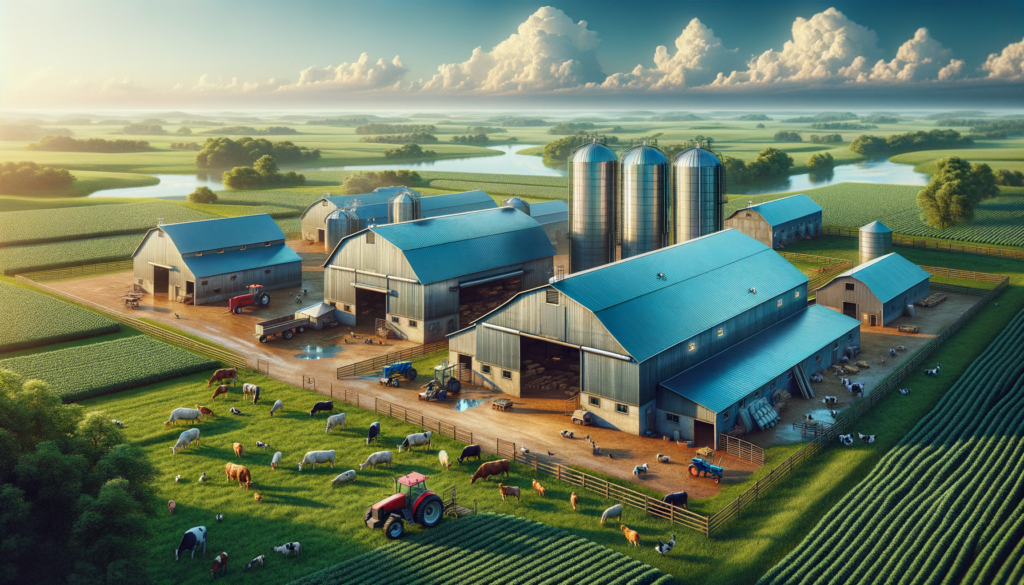
When it comes to selecting a metal building for your farm, understanding your specific needs is paramount. Every farm is unique, with different operations, livestock, and equipment requirements. For instance, a dairy farm may require a large barn for milking and housing cows, while a crop farm might need a spacious storage facility for machinery and harvested goods. Identifying these needs early on will help you make informed decisions about the type of structure that will best serve your operations.
Additionally, consider the activities that will take place within the building. Will it be used primarily for storage, or will it also serve as a workspace? Understanding how you plan to utilize the space can influence everything from the layout to the materials used in construction. As Mike Daniels, owner of Metal Carports and Buildings, emphasizes, “A well-planned building not only meets current needs but also anticipates future demands.” This foresight can save you time and money in the long run.
When considering the best metal buildings for farms, it’s essential to explore various factors such as size, style, and functionality. A related article that provides valuable insights on finding local metal carport installers can be found here: Metal Carport Installers Near Me in Cassia County, Idaho. This resource can help you connect with professionals who can assist in selecting and installing the right metal structures tailored to your farming needs.
Determining the Size of Your Metal Building
Determining the appropriate size for your metal building is crucial to ensuring it meets your operational needs without wasting resources. Start by taking inventory of the equipment and machinery you currently own, as well as any additional items you may acquire in the future. For example, if you own a tractor, plow, and various hand tools, you’ll need to account for their dimensions and how they will be stored.
Moreover, consider the layout of your building. A well-organized space can enhance efficiency and productivity. For instance, if you plan to have designated areas for different types of equipment or livestock, ensure that there is enough room for movement and accessibility. A common mistake is underestimating the space required for maneuvering large machinery; therefore, it’s wise to consult with an expert or use design software to visualize your layout before finalizing your building size.
Choosing the Right Style for Your Metal Building
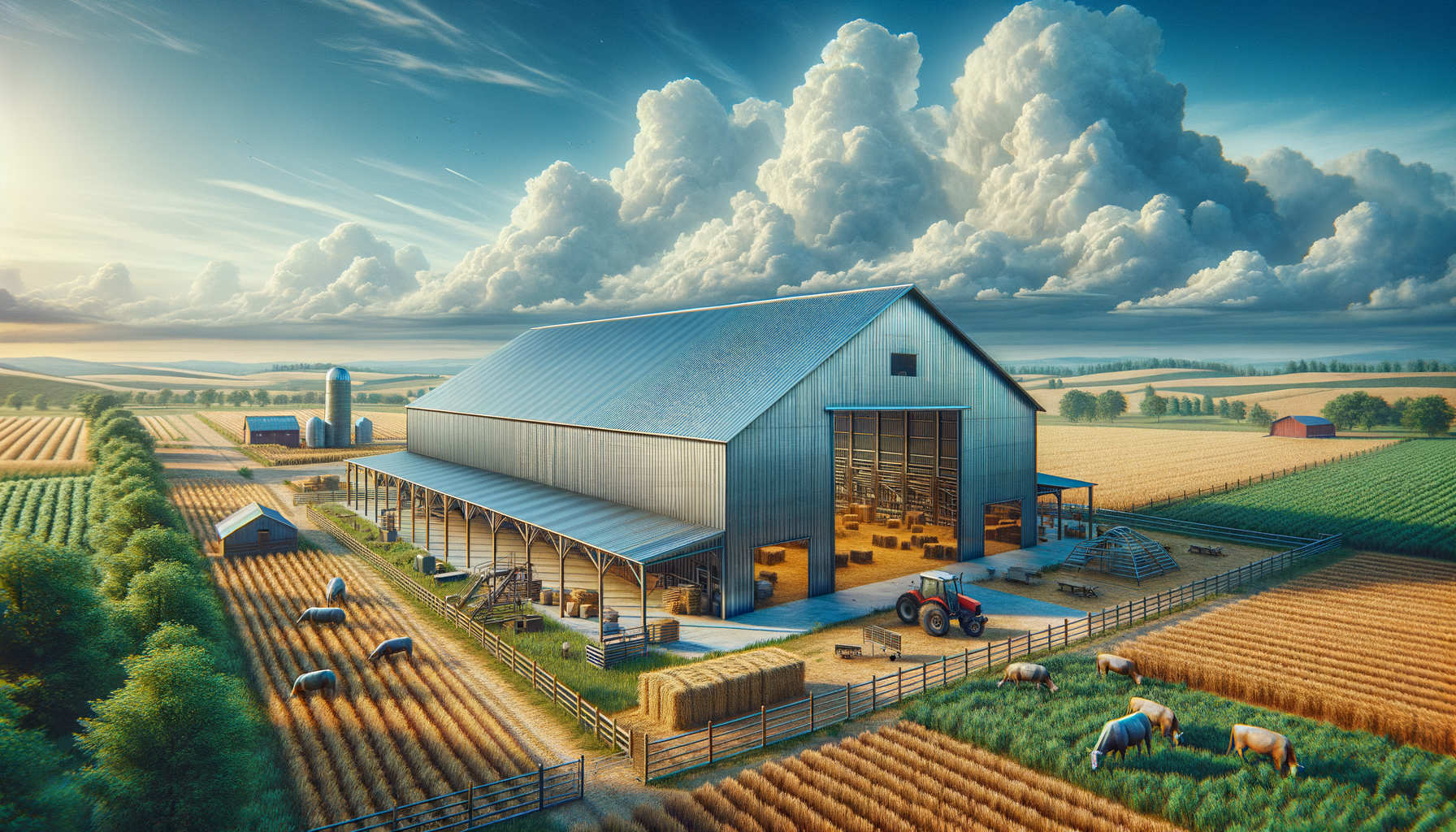
The style of your metal building can significantly impact its functionality and aesthetic appeal. Metal buildings come in various styles, including barns, garages, and workshops, each designed to serve specific purposes. For example, a traditional barn style may be ideal for livestock housing due to its spacious interior and high ceilings, while a more modern garage style could be better suited for vehicle storage.
When selecting a style, consider not only your current needs but also how the building will fit into the overall landscape of your property. A cohesive design can enhance the visual appeal of your farm while also providing practical benefits. Additionally, local zoning laws may dictate certain aesthetic requirements or restrictions, so it’s essential to check with local authorities before making a final decision.
Considering the Types of Equipment and Machinery to be Stored
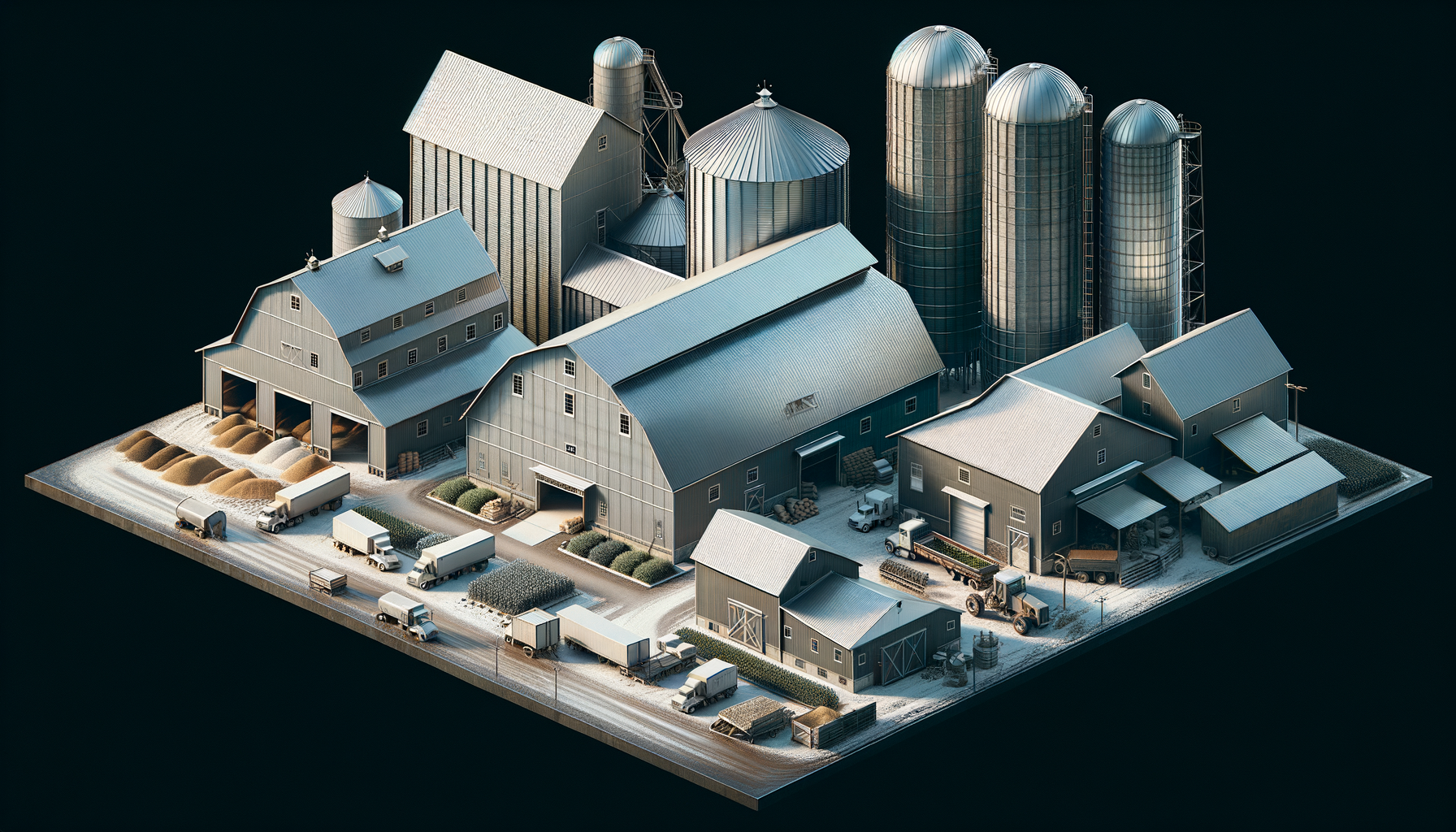
The types of equipment and machinery you plan to store in your metal building will greatly influence its design and features. For instance, if you own large agricultural machinery like combines or tractors, you’ll need a building with sufficient height and width to accommodate these vehicles comfortably. On the other hand, if your focus is on smaller tools and equipment, a more compact structure may suffice.
It’s also important to consider how often you will need access to this equipment. If you frequently use certain machines, having them easily accessible can save time and improve efficiency. This might mean designing your building with specific zones for different types of equipment or incorporating roll-up doors for easy entry and exit. As industry experts suggest, planning for accessibility can enhance workflow and reduce downtime during busy seasons.
When considering the best options for metal buildings on farms, it’s essential to explore various factors such as size and style to ensure they meet specific agricultural needs. A related article that provides valuable insights into finding local professionals for installation can be found here. This resource can help farmers connect with experienced installers who understand the unique requirements of agricultural structures, making the process smoother and more efficient.
Assessing the Space for Livestock and Animal Housing
| Size | Style | Benefits |
|---|---|---|
| 40×60 | Clear Span | Ample space for equipment and storage |
| 80×100 | Monitor | Allows for natural light and ventilation |
| 60×80 | Gable | Cost-effective and easy to construct |
If your farm includes livestock, assessing the space needed for animal housing is critical. Different animals have varying space requirements; for example, cattle typically need more room than goats or sheep. Additionally, consider factors such as ventilation, lighting, and access to feed and water when designing your animal housing area.
Properly designed livestock housing not only ensures animal welfare but also complies with local regulations regarding animal care. It’s advisable to consult with agricultural extension services or local veterinarians to understand best practices for housing specific types of livestock. This knowledge can help you create a safe and comfortable environment that promotes healthy growth and productivity.
Planning for Future Expansion and Growth
Metal carports and buildings are a great investment for your property, visit https://metalcarportsandbuildings.com/building-styles/ to explore different building styles.
As your farming operation grows, so too may your need for additional space. When designing your metal building, it’s wise to plan for future expansion from the outset. This could mean leaving room for additional structures or ensuring that your current building can be easily modified or expanded later on.
For example, if you anticipate increasing your herd size or adding new machinery in the coming years, consider designing your building with modular components that can be easily added on later. This foresight can save you significant costs down the line and ensure that your facilities continue to meet your operational needs as they evolve.
Factoring in Climate and Weather Conditions
Climate plays a crucial role in determining the design and materials used in your metal building. Different regions experience varying weather conditions that can impact everything from insulation needs to structural integrity. For instance, areas prone to heavy snowfall will require buildings designed to withstand significant snow loads, while regions with high winds may necessitate additional bracing or anchoring.
It’s essential to consult local building codes and regulations regarding weather-related requirements when planning your structure. Additionally, consider investing in high-quality materials that are engineered to withstand local climate conditions. As Mike Daniels notes, “Investing in quality materials upfront can save you from costly repairs and replacements down the road.”
Budgeting for Construction and Maintenance Costs
Budgeting is a critical aspect of any construction project, including metal buildings. When estimating costs, consider not only the initial construction expenses but also ongoing maintenance costs over the lifespan of the building. Metal buildings are generally low-maintenance compared to traditional structures; however, regular inspections and minor repairs are still necessary to ensure longevity.
To create an accurate budget, gather quotes from multiple suppliers and contractors while factoring in potential additional costs such as permits or site preparation. It’s also wise to set aside a contingency fund for unexpected expenses that may arise during construction or maintenance phases.
Evaluating the Environmental Impact of Metal Buildings
As sustainability becomes increasingly important in agriculture and construction, evaluating the environmental impact of your metal building is essential. Metal buildings are often considered eco-friendly due to their recyclability and energy efficiency when properly insulated. However, it’s important to assess factors such as sourcing materials locally to reduce transportation emissions and choosing energy-efficient designs.
Additionally, consider implementing sustainable practices within your metal building operations. This could include rainwater harvesting systems or solar panels to reduce reliance on non-renewable energy sources. By prioritizing sustainability in your design choices, you can contribute positively to both your local environment and the broader agricultural community.
Comparing Different Metal Building Manufacturers and Suppliers
With numerous manufacturers and suppliers in the market, comparing options is vital to finding the right fit for your needs. Look for companies with a solid reputation in the industry that offer warranties on their products and services. Reading customer reviews and testimonials can provide valuable insights into their reliability and quality.
Additionally, consider factors such as customization options, delivery times, and installation services when evaluating different suppliers. A reputable manufacturer should be willing to work with you to create a tailored solution that meets your specific requirements while adhering to local building codes.
Seeking Professional Advice and Consultation
Finally, seeking professional advice can be invaluable when planning your metal building project. Consulting with architects or engineers who specialize in agricultural structures can provide insights into design considerations that you may not have thought of on your own. They can help ensure that your building meets all necessary codes while optimizing functionality.
Furthermore, local agricultural extension offices often offer resources and expertise related to farm buildings and operations. Engaging with these professionals can help you navigate complex regulations while ensuring that your project aligns with best practices in the industry.
In conclusion, investing time in understanding your needs, planning for future growth, considering environmental impacts, budgeting wisely, and seeking professional guidance will lead you toward making informed decisions about metal buildings for your farm or property. By taking these steps seriously, you can create a functional space that supports your agricultural endeavors while standing the test of time.
FAQs
What are the common sizes of metal buildings for farms?
Metal buildings for farms typically come in a variety of sizes, ranging from small storage buildings to large barns or equipment sheds. Common sizes include 30×40, 40×60, and 50×100, but custom sizes can also be designed to fit specific farm needs.
What styles of metal buildings are commonly used for farms?
The most common styles of metal buildings for farms include clear-span, multi-span, and lean-to buildings. Clear-span buildings offer uninterrupted space for large equipment or livestock, while multi-span buildings provide flexibility for different uses within the same structure. Lean-to buildings are often used as extensions to existing structures for additional storage or workspace.
What factors should be considered when determining the best size for a metal building on a farm?
When determining the best size for a metal building on a farm, factors such as the intended use, available space, budget, and future expansion plans should be considered. It’s important to assess the current and future needs of the farm to ensure the building size can accommodate those needs.
What are the benefits of using metal buildings for farms?
Metal buildings offer several benefits for farms, including durability, low maintenance, cost-effectiveness, and quick construction. They provide a secure and weather-resistant space for storing equipment, housing livestock, or conducting farm operations.
Are there any regulations or permits required for installing a metal building on a farm?
Regulations and permit requirements for installing a metal building on a farm vary by location and the size of the structure. It’s important to check with local authorities and zoning regulations to ensure compliance before installing a metal building on a farm.


