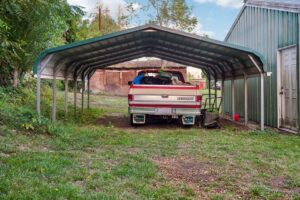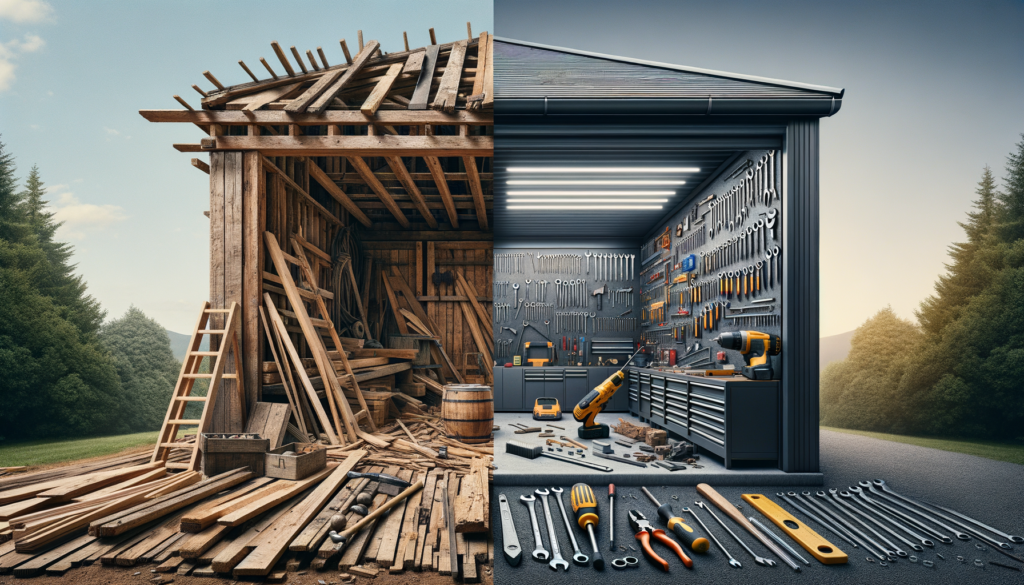
When it comes to building a garage, homeowners often find themselves at a crossroads: should they opt for a traditional wood structure or a modern metal one? This decision is not merely aesthetic; it involves a comprehensive analysis of costs, durability, maintenance, and long-term value. In this article, we will delve into the various factors that influence the cost differences between wood and metal garages, providing you with the insights needed to make an informed choice.
Understanding the financial implications of your garage construction is crucial. While wood may offer a classic look, metal buildings have gained popularity for their strength and low maintenance. By examining the costs associated with materials, labor, maintenance, and more, we aim to equip you with the knowledge necessary to choose the best option for your needs.
When considering whether it is cheaper to build a wood garage or buy a metal garage, it’s essential to explore various factors that can influence your decision. A related article that delves into the benefits and installation of pre-engineered metal buildings can provide valuable insights. You can read more about this topic in the article found here: Pre-Engineered Metal Buildings Near Flathead County, Montana. This resource outlines the advantages of metal structures, which may help you make a more informed choice for your garage needs.
Cost of materials: Comparing the prices of wood and metal for building a garage
The first step in evaluating the cost of building a garage is to consider the materials involved. Wood has long been a staple in construction due to its availability and versatility. However, prices can fluctuate based on market demand and regional availability. As of 2023, the average cost of lumber has seen significant increases, making wood garages potentially more expensive than in previous years. For instance, a standard 24×24 wood garage can range from $15,000 to $25,000 depending on the quality of materials used.
On the other hand, metal garages are often constructed from steel or aluminum, which can provide a more cost-effective solution. The price of metal per square foot tends to be lower than that of high-quality lumber. A comparable metal garage of the same size might range from $10,000 to $20,000. Additionally, metal buildings often come pre-engineered, which can save on costs related to design and structural integrity.
Labor costs: Analyzing the expenses of hiring labor for wood and metal garage construction
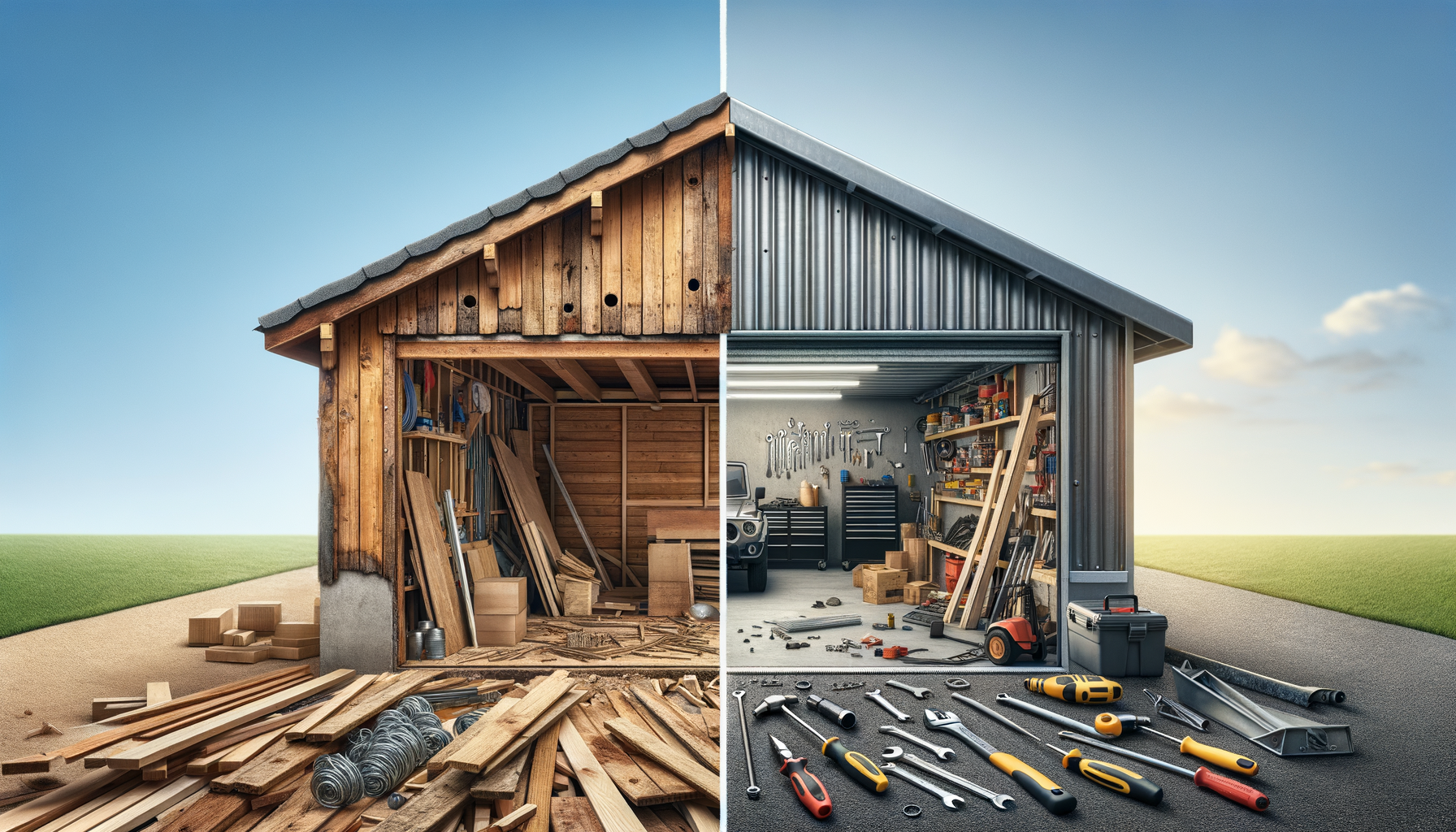
Labor costs are another critical factor when comparing wood and metal garages. The complexity of construction plays a significant role in determining labor expenses. Wood garages typically require skilled carpentry work, which can be more labor-intensive and time-consuming. Depending on your location and the complexity of the design, labor costs for wood construction can add an additional 30% to 50% to your overall budget.
In contrast, metal garages are often easier and quicker to assemble. Many metal structures come with pre-fabricated components that can be bolted together rather than requiring intricate framing. This simplicity can lead to reduced labor costs—often saving homeowners anywhere from 20% to 40% compared to wood construction. For example, if labor for a wood garage costs $5,000, a metal garage might only require $3,000 in labor.
Long-term maintenance: Considering the ongoing maintenance costs for wood and metal garages
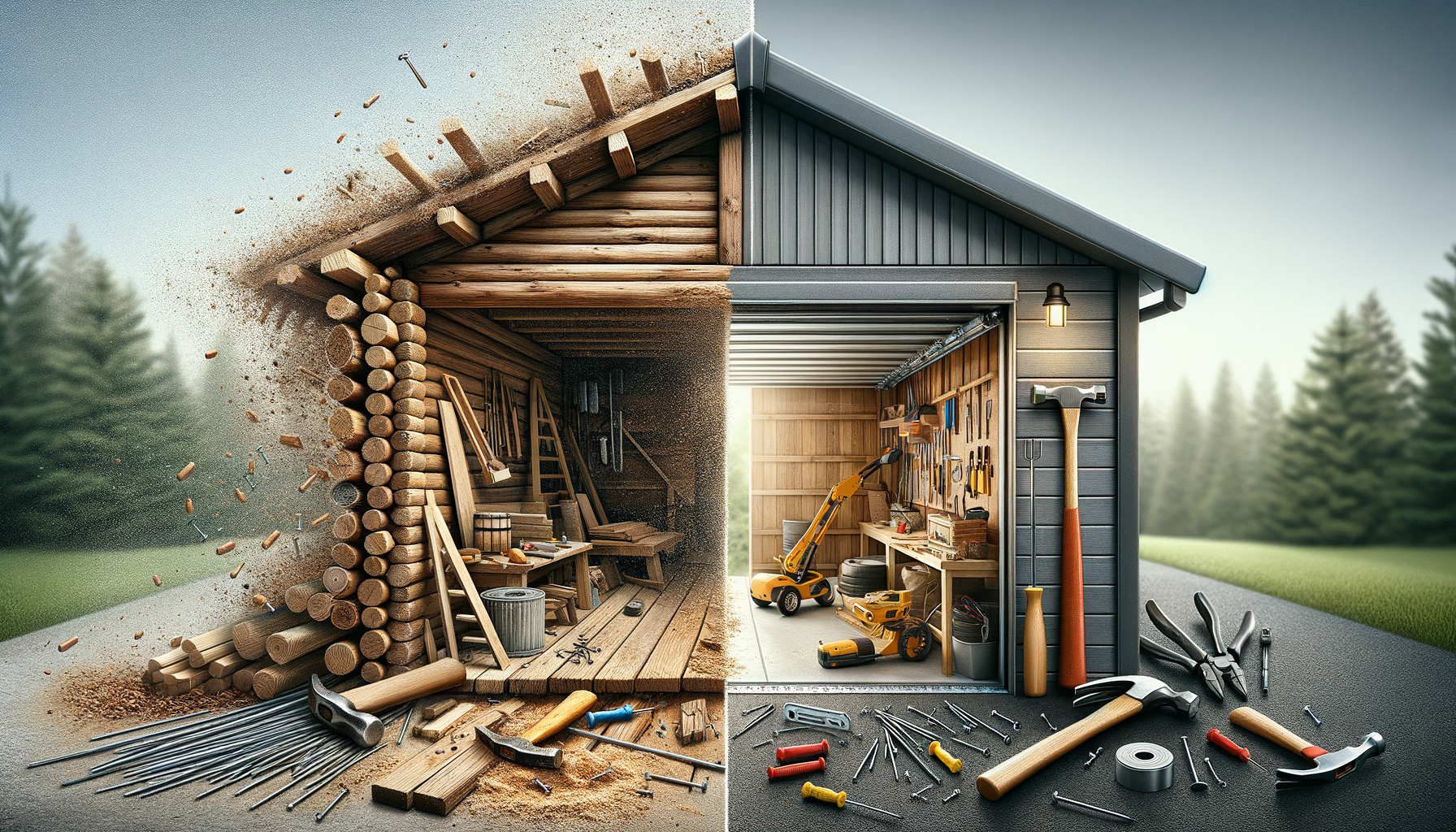
Maintenance is an essential consideration when evaluating the long-term costs associated with wood and metal garages. Wood structures require regular upkeep to prevent issues such as rot, termites, and warping. Homeowners may need to invest in treatments or sealants every few years to protect their investment. Over time, these maintenance costs can accumulate significantly—potentially adding thousands of dollars over the lifespan of the garage.
Conversely, metal garages are known for their durability and low maintenance requirements. They are resistant to pests and do not suffer from rot or warping like wood does. A simple wash with soap and water is often all that’s needed to keep a metal garage looking new. While some may argue that metal can rust over time, modern coatings and treatments have significantly improved their resistance to corrosion. This means that while initial costs may be higher for metal garages, ongoing maintenance expenses are generally much lower.
When considering whether it is cheaper to build a wood garage or buy a metal garage, it’s also important to think about the installation process and local options available to you. For instance, you might find valuable insights in a related article that discusses finding metal building installers in your area, which can significantly impact the overall cost and convenience of your project. You can read more about this topic by visiting this resource.
Durability and lifespan: Evaluating the longevity and resilience of wood and metal garages
| Factors | Wood Garage | Metal Garage |
|---|---|---|
| Initial Cost | Higher | Lower |
| Maintenance | More | Less |
| Durability | Less | More |
| Customization | More options | Limited options |
| Resale Value | Higher | Lower |
When it comes to durability and lifespan, metal garages typically outshine their wooden counterparts. A well-constructed metal garage can last 30 years or more with minimal maintenance. Steel structures are designed to withstand harsh weather conditions, including heavy snow loads and high winds, making them an excellent choice for areas prone to extreme weather.
Wood garages, while aesthetically pleasing, often have a shorter lifespan due to susceptibility to environmental factors. Depending on the quality of materials used and local climate conditions, a wooden garage may last anywhere from 15 to 25 years before requiring significant repairs or replacement. This difference in longevity can have substantial implications for homeowners considering long-term investments.
Customization options: Exploring the flexibility and costs of customizing wood and metal garages
Sure, here is the sentence with the clickable link:
Please visit our website to Request a Free No Obligation Quote: https://metalcarportsandbuildings.com/contact
Customization is another area where both wood and metal garages have their strengths. Wood offers a natural aesthetic that can be easily tailored with various finishes, colors, and architectural styles. Homeowners can choose from a wide range of designs that complement their existing structures or personal tastes. However, this level of customization often comes at a premium price.
Metal garages also offer customization options but may be limited in terms of aesthetic appeal compared to wood. However, they can be designed with various features such as roll-up doors, windows, insulation, and even solar panels. The cost of customizing a metal garage is generally lower than that of wood due to the ease of manufacturing and assembly.
Environmental impact: Discussing the eco-friendliness of wood and metal garage construction
The environmental impact of building materials is an increasingly important consideration for many homeowners today. Wood is often viewed as a more eco-friendly option because it is a renewable resource when sourced sustainably. However, deforestation and unsustainable logging practices can negate these benefits.
Metal garages have their own environmental considerations as well. While steel is recyclable and can be repurposed at the end of its life cycle, the production process is energy-intensive and contributes to greenhouse gas emissions. However, advancements in recycling technology are making it easier to reduce this impact over time.
Ultimately, both options have their pros and cons regarding environmental sustainability. Homeowners should consider sourcing materials responsibly—whether opting for sustainably harvested wood or recycled metals—to minimize their ecological footprint.
Resale value: Examining the potential resale value of wood and metal garages
When considering a garage as an investment, potential resale value is an important factor. Wood garages often appeal to buyers looking for traditional aesthetics and charm; however, they may not hold their value as well as metal structures in certain markets. The ongoing maintenance required for wood can deter some buyers who prefer low-maintenance options.
Metal garages tend to have broader appeal due to their durability and low upkeep requirements. In many cases, they can even enhance property value by providing additional storage or workspace without significant ongoing costs. Homeowners should consider local market trends when evaluating which type of garage might yield better resale value in their area.
Climate considerations: Factoring in the impact of climate on wood and metal garage construction
Climate plays a crucial role in determining which type of garage is best suited for your property. In regions prone to heavy snowfall or high winds, metal garages are often recommended due to their structural integrity and ability to withstand harsh conditions. They are engineered to handle specific snow loads and wind ratings based on local building codes.
Conversely, in milder climates where extreme weather is less of a concern, wooden garages may be more appealing for their aesthetic qualities. However, homeowners should still consider potential issues such as moisture exposure or pest infestations that could arise even in less severe climates.
Insurance costs: Investigating the differences in insurance premiums for wood and metal garages
Insurance premiums can vary significantly based on the type of garage you choose to build. Generally speaking, metal garages may attract lower insurance rates due to their fire resistance and durability against natural disasters compared to wooden structures. Insurance companies often view metal buildings as lower risk because they are less likely to suffer extensive damage from pests or weather-related incidents.
On the other hand, wooden garages may incur higher premiums due to their vulnerability to fire and decay over time. Homeowners should consult with their insurance providers to understand how their choice between wood and metal could impact their coverage costs.
Summarizing the cost comparison and considerations for building a wood or buying a metal garage
In summary, both wood and metal garages come with distinct advantages and disadvantages that can significantly impact your overall investment. While wood may offer aesthetic appeal and customization options, it often comes with higher material costs, labor expenses, ongoing maintenance requirements, and potentially shorter lifespans.
Metal garages present a compelling alternative with lower initial costs, reduced labor expenses, minimal maintenance needs, and greater durability against environmental factors. Ultimately, your choice will depend on your specific needs—whether you prioritize aesthetics or long-term value.
If you’re considering building a garage or exploring options for a metal building that suits your needs perfectly, reach out for a free no-obligation quote at (435) 250-4446 or visit us at [metalcarportsandbuildings.com](https://metalcarportsandbuildings.com/). Let us help you make an informed decision that aligns with your vision!
FAQs
1. What are the cost differences between building a wood garage and buying a metal garage?
Building a wood garage typically costs more upfront due to the materials and labor involved, while buying a metal garage is generally more cost-effective.
2. What are the long-term maintenance costs for wood and metal garages?
Wood garages may require more maintenance over time, such as painting, sealing, and potential repairs due to rot or insect damage. Metal garages generally require less maintenance and are more durable.
3. Which option offers better durability and longevity?
Metal garages are often considered more durable and long-lasting compared to wood garages, as they are resistant to rot, pests, and fire.
4. Are there any environmental considerations when choosing between wood and metal garages?
Wood garages are typically more environmentally friendly as they are a renewable resource, while metal garages may have a larger environmental impact due to the production process.
5. What factors should be considered when deciding between a wood or metal garage?
Considerations include budget, desired aesthetics, maintenance preferences, climate, and environmental impact when deciding between a wood or metal garage.