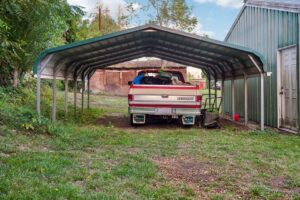
When considering metal structures such as carports, garages, or barns, one of the primary concerns for homeowners and property owners is the limited design options available. Unlike traditional wooden structures, which can be customized in various styles, colors, and finishes, metal buildings often come in a more standardized form. This can be a significant drawback for those looking to create a unique aesthetic that complements their property. While manufacturers do offer some variations in color and size, the overall architectural flexibility is often constrained.
For instance, if you envision a rustic barn with intricate woodwork or a carport that seamlessly blends with your home’s design, you may find metal options lacking. Many metal buildings are utilitarian in appearance, focusing on function over form. This limitation can be particularly frustrating for ranch owners or homeowners in neighborhoods with strict aesthetic guidelines. As Mike Daniels, owner of Metal Carports and Buildings, notes, “While metal structures are incredibly durable and practical, they may not always fit the vision that homeowners have for their properties.”
When considering the disadvantages of metal buildings, it’s essential to explore various factors that can influence your decision. One related article that provides valuable insights is about the availability of metal carports for sale in King County, WA. This resource highlights not only the benefits but also the potential drawbacks of investing in metal structures in that specific region. For more information, you can read the article here: Metal Carports for Sale Near King County, WA.
Susceptibility to Corrosion
Corrosion is another significant concern when it comes to metal buildings. While many manufacturers treat their products with protective coatings to resist rust and deterioration, these measures can wear off over time, especially in harsh climates. Areas with high humidity or frequent rainfall can exacerbate this issue, leading to costly repairs or replacements down the line. Homeowners must be vigilant about maintenance to ensure their metal structures remain in good condition.
For example, if you live in a coastal area where saltwater exposure is common, the risk of corrosion increases dramatically. Regular inspections and maintenance are essential to identify any signs of rust early on. Additionally, investing in higher-quality materials that offer better corrosion resistance can mitigate this risk but may also increase initial costs. As industry experts recommend, “Choosing galvanized steel or aluminum can significantly enhance the longevity of your metal building,” making it a worthwhile consideration for property owners.
Difficulty in Insulation
Insulating metal buildings presents its own set of challenges. Metal is a highly conductive material, meaning it can easily transfer heat and cold. This characteristic makes it difficult to maintain a stable internal temperature without proper insulation. Homeowners looking to use metal structures for living spaces or workshops may find that additional insulation is necessary to create a comfortable environment.
There are various insulation options available, including spray foam, fiberglass batts, and reflective barriers. However, each comes with its own set of pros and cons. For instance, while spray foam provides excellent thermal resistance, it can be more expensive and requires professional installation. On the other hand, fiberglass batts are more affordable but may not provide the same level of efficiency. Property owners should carefully evaluate their insulation needs based on their climate and intended use of the building.
Noise Transmission
Another factor to consider is noise transmission through metal structures. Metal buildings can amplify sounds from outside, making them less than ideal for residential areas or locations where peace and quiet are valued. Rain hitting a metal roof can create a drumming sound that some may find soothing, while others may find it disruptive. Additionally, if the building is used for storage or as a workshop, noise from machinery or equipment can easily escape into the surrounding environment.
To mitigate noise issues, property owners might consider adding soundproofing materials during construction or renovation. Acoustic panels or insulation can help absorb sound and reduce transmission. However, these solutions can add to the overall cost and complexity of the project. As Mike Daniels points out, “Understanding how sound interacts with metal structures is crucial for anyone considering a metal building for residential use.”
When considering the disadvantages of metal buildings, it’s essential to explore various factors that can impact their overall effectiveness and suitability for specific projects. One related article that delves deeper into the practical aspects of metal structures is available at steel buildings for sale near Washington County, Utah. This resource provides valuable insights into the benefits and potential drawbacks of choosing metal buildings in that region, helping prospective buyers make informed decisions.
Expansion and Contraction
| Disadvantages of Metal Buildings |
|---|
| 1. Susceptible to rust and corrosion |
| 2. Poor insulation without additional materials |
| 3. Prone to dents and scratches |
| 4. Limited design options compared to traditional construction |
| 5. Can be noisy during heavy rain or hail |
Metal buildings are also subject to expansion and contraction due to temperature fluctuations. As temperatures rise and fall, metal can expand and contract significantly, which may lead to structural issues if not properly accounted for during installation. This movement can cause seams to open up or even lead to warping over time if the building is not designed with this factor in mind.
To address this issue, builders often incorporate expansion joints into the design of metal structures. These joints allow for movement without compromising the integrity of the building. However, not all manufacturers include these features as standard practice, so it’s essential for property owners to inquire about them during the purchasing process. Proper engineering and design considerations are vital to ensure that your metal building withstands the test of time.
When considering the disadvantages of metal buildings, it’s important to also explore related topics that can provide a broader understanding of their applications and limitations. For instance, if you’re looking for options in your area, you might find it helpful to read about the availability of steel sheds near Millard County, Utah. This article offers insights into local options and can help you weigh the pros and cons of metal structures in your specific context. You can check it out for more information here.
Limited Resale Value
Metal carports and buildings are a great investment for your property, visit https://metalcarportsandbuildings.com/building-styles/ to explore different building styles.
When investing in any property improvement, resale value is a critical consideration. Unfortunately, metal buildings often have a limited resale value compared to traditional structures. Many potential buyers may view metal buildings as less desirable due to their aesthetic limitations or concerns about durability and maintenance. This perception can make it challenging for homeowners to recoup their investment when it comes time to sell.
For instance, if you’ve built a metal barn on your ranch with the intention of selling the property later, you may find that prospective buyers prefer traditional wooden barns that align more closely with their expectations of rural aesthetics. To enhance resale value, property owners should consider how their metal structures fit into the overall appeal of their property and whether they can make modifications that improve aesthetics without sacrificing functionality.
Higher Initial Cost
While metal buildings are often praised for their durability and low maintenance requirements, they typically come with a higher initial cost compared to traditional wood structures. The price of raw materials like steel has fluctuated significantly in recent years due to market demand and supply chain issues. This volatility can make budgeting for a metal building project challenging.
However, it’s essential to weigh these initial costs against long-term savings in maintenance and repairs. Metal buildings generally require less upkeep than wood structures, which are susceptible to rot, pests, and weather damage. As Mike Daniels advises potential buyers: “While the upfront investment may be higher for metal buildings, the long-term benefits often outweigh those costs.” Property owners should conduct a thorough cost-benefit analysis before making a decision.
Limited Natural Light
Natural light is an essential element in any building design, contributing to energy efficiency and overall ambiance. Unfortunately, metal buildings often lack windows or openings that allow for natural light penetration. This limitation can make spaces feel dark and uninviting unless additional lighting solutions are implemented.
To combat this issue, property owners can consider incorporating skylights or strategically placed windows during the design phase. These additions can enhance the overall aesthetic appeal while providing much-needed natural light. However, adding windows or skylights may increase construction costs and complicate installation processes. It’s crucial for homeowners to balance their desire for natural light with budgetary constraints.
Limited Customization
Customization is often a key factor for homeowners when selecting building materials and designs. Unfortunately, metal structures typically offer limited customization options compared to traditional construction methods. While some manufacturers provide pre-designed kits with various sizes and colors, these options may not meet every homeowner’s specific needs.
For example, if you have unique requirements for your garage or barn—such as specific dimensions or specialized features—you may find it challenging to find a pre-fabricated solution that fits your vision. Custom-built metal structures are available but often come at a premium price point. Property owners should carefully assess their needs and budget before committing to a particular design.
Potential for Condensation
Condensation is another concern associated with metal buildings due to their thermal conductivity properties. When warm air meets cold surfaces within a metal structure, moisture can form on the interior surfaces—leading to potential damage over time if not properly managed. This issue is particularly relevant in climates with significant temperature fluctuations between day and night.
To mitigate condensation risks, property owners should consider installing vapor barriers during construction or using insulation materials designed to reduce moisture buildup. Additionally, proper ventilation systems can help regulate humidity levels within the building. As industry experts suggest: “Addressing condensation issues proactively can save property owners from costly repairs down the line.”
Environmental Concerns
Finally, environmental concerns surrounding metal buildings cannot be overlooked. While steel is recyclable and often made from recycled materials, the production process itself can have significant environmental impacts due to energy consumption and emissions associated with mining and processing raw materials.
Moreover, some property owners may be concerned about the sustainability of using metal versus more eco-friendly materials like wood or straw bales. However, advancements in sustainable practices within the steel industry are helping mitigate these concerns by promoting responsible sourcing and manufacturing processes.
As homeowners become increasingly aware of their environmental footprint, it’s essential to consider how building choices align with sustainability goals. Engaging with local organizations focused on sustainable building practices can provide valuable insights into making informed decisions.
In conclusion, while metal buildings offer numerous advantages such as durability and low maintenance requirements, they also come with several drawbacks that potential buyers should carefully consider before making an investment decision. By understanding these limitations—ranging from design options to environmental impacts—homeowners can make informed choices that align with their needs and values.
### FAQ
1. **Are metal buildings more durable than wood?**
Yes, metal buildings are generally more durable than wood structures due to their resistance to rot, pests, and weather damage.
2. **How do I prevent corrosion in my metal building?**
Regular maintenance and choosing galvanized steel or aluminum can help prevent corrosion.
3. **Can I insulate my metal building?**
Yes, various insulation options are available; however, proper installation is crucial for effectiveness.
4. **What are the resale implications of owning a metal building?**
Metal buildings often have lower resale value compared to traditional structures due to aesthetic concerns.
5. **Are there customization options available for metal buildings?**
While limited compared to wood structures, some manufacturers offer customizable designs; however, custom builds may come at a higher cost.
By understanding these factors thoroughly before making a decision on your next building project—whether it’s a carport or barn—you’ll be better equipped to choose an option that meets both your functional needs and aesthetic preferences while considering long-term implications.
FAQs
What are the disadvantages of metal buildings?
Metal buildings can be prone to rust and corrosion over time, especially in areas with high humidity or salt exposure. Additionally, metal buildings can be more expensive to insulate and may require additional heating and cooling systems to maintain comfortable temperatures.
Are metal buildings prone to dents and damage?
Yes, metal buildings can be susceptible to dents and damage from heavy impacts, such as hail or falling debris. While some metal materials are designed to be more resistant to dents, they are not completely immune to damage.
Do metal buildings have limitations in design and customization?
Metal buildings may have limitations in design and customization compared to traditional construction methods. They often have a more industrial or utilitarian appearance, and may not offer the same level of architectural flexibility as other building materials.
Are metal buildings more susceptible to noise and temperature fluctuations?
Metal buildings can be more prone to echoing and noise transmission, especially in large open spaces. Additionally, they may experience greater temperature fluctuations, requiring additional insulation and climate control measures to maintain a comfortable interior environment.
Do metal buildings have a shorter lifespan compared to other building materials?
While metal buildings can have a long lifespan with proper maintenance, they may have a shorter lifespan compared to some other building materials, such as concrete or brick. Factors such as rust, corrosion, and potential structural issues can impact the longevity of metal buildings.