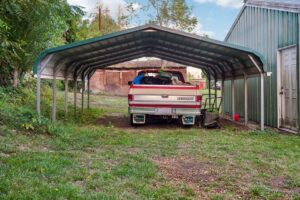
When it comes to storing your truck and side-by-side in a garage, understanding their dimensions is crucial. Trucks vary significantly in size, from compact pickups to full-size models, and side-by-sides, often used for recreational purposes, can also differ in width and height. For instance, a standard full-size truck can measure around 20 feet long and 6.5 feet wide, while a side-by-side might be approximately 10 feet long and 5 feet wide. Knowing these measurements helps you determine the minimum space required for both vehicles, ensuring they fit comfortably without risking damage.
Additionally, it’s essential to consider the height of your vehicles. Many trucks stand tall, often exceeding 6 feet in height, while side-by-sides can vary but typically range from 5 to 6 feet. This height factor is particularly important when planning for garage door clearance and overall ceiling height. By accurately measuring your vehicles, you can avoid the frustration of discovering that your garage is too small or that your vehicles cannot be stored safely.
When considering the best garage size for accommodating a truck and a side-by-side, it’s essential to take into account not only the dimensions of the vehicles but also the space needed for movement and storage. For more insights on custom metal buildings that can cater to various vehicle sizes and storage needs, you can check out this related article on custom metal buildings in Magna, Utah: Custom Metal Buildings in Magna, Utah. This resource provides valuable information on how to design a garage that meets your specific requirements.
Factors to Consider When Determining Garage Size
Determining the right garage size involves several factors beyond just the dimensions of your vehicles. First, consider how many vehicles you plan to store. If you have multiple trucks or additional recreational vehicles, you’ll need a larger space. Additionally, think about the type of activities you might engage in within the garage. Will you be using it for maintenance or repairs? If so, you’ll want extra room for tools and equipment.
Another critical factor is local building codes and zoning regulations. Some areas have specific requirements regarding garage sizes and setbacks from property lines. It’s wise to check with your local authorities to ensure compliance before making any decisions. Furthermore, consider future needs; if you plan to acquire more vehicles or equipment down the line, it may be prudent to invest in a larger garage now rather than later.
The Importance of Ceiling Height for Truck and Side-by-Side Storage
Ceiling height is often an overlooked aspect when planning a garage for trucks and side-by-sides. A higher ceiling allows for better vertical storage options and can accommodate taller vehicles without the risk of damage. For instance, if your truck has a roof rack or if you plan to install overhead storage solutions, a ceiling height of at least 10 feet is advisable.
Moreover, adequate ceiling height can enhance ventilation within the garage, reducing humidity and preventing rust on your vehicles. If you’re considering adding a lift for maintenance purposes, ensure that your garage has sufficient height to accommodate both the lift and the vehicle above it. This foresight can save you from costly modifications later on.
Maneuverability and Space for Accessing Vehicles
Maneuverability is a key consideration when designing your garage layout. It’s not enough for your truck and side-by-side to fit; you also need to ensure that you can easily access them without feeling cramped. Ideally, allow at least 2-3 feet of space around each vehicle for comfortable entry and exit. This space is especially important if you plan to open doors or access storage compartments.
Consider the layout of your garage as well. A straight-in parking design may work well for some homeowners, while others might benefit from an angled parking arrangement that maximizes space. Think about how often you’ll need to access each vehicle; if one is used more frequently than the other, position it for easy access. Planning for maneuverability not only enhances convenience but also reduces the risk of accidental damage to your vehicles.
When considering the best garage size for a truck and side-by-side, it’s also important to think about the overall layout and functionality of your space. A well-designed garage can enhance accessibility and storage options, making it easier to park and maneuver your vehicles. For those interested in exploring different garage dimensions and styles, you might find it helpful to read about various options in this article on RV carports, which discusses how to maximize space for larger vehicles.
Storage Solutions for Trucks and Side-By-Sides in Limited Space
| Garage Size | Truck | Side-by-Side |
|---|---|---|
| Width | 8 feet | 5 feet |
| Length | 20 feet | 12 feet |
| Height | 7 feet | 6 feet |
If you’re working with limited space, there are several creative storage solutions that can help maximize your garage’s functionality. Vertical storage options are particularly effective; consider installing wall-mounted shelves or pegboards to keep tools and equipment organized without taking up valuable floor space. Overhead storage racks can also be a game-changer, allowing you to store seasonal items or less frequently used gear above your vehicles.
Another option is to utilize modular storage systems that can be adjusted as your needs change. These systems often include cabinets, bins, and shelving that can be customized to fit your specific requirements. By strategically organizing your garage, you can create a functional environment that accommodates both your truck and side-by-side while still providing room for other essential items.
Practical Considerations for Garage Size and Layout
Sure, here is the sentence with the clickable link:
Please visit our website to Request a Free No Obligation Quote: https://metalcarportsandbuildings.com/contact
When planning your garage size and layout, practical considerations should take precedence over aesthetics. Start by assessing the dimensions of your lot and any existing structures that may impact your design choices. Ensure that there’s enough space not only for the garage itself but also for driveways or pathways leading to it.
Additionally, think about accessibility during different seasons. If you live in an area with heavy snowfall or rain, consider how water drainage will affect your garage’s foundation and access points. Proper drainage systems can prevent flooding and ensure that your vehicles remain safe from water damage. By addressing these practical concerns upfront, you can create a garage that stands the test of time.
Customizing Your Garage for Optimal Truck and Side-By-Side Storage
Customization is key when it comes to creating an optimal storage solution for your truck and side-by-side. Many homeowners choose to work with professionals who specialize in designing custom garages tailored to their specific needs. This approach allows you to incorporate features such as built-in workbenches, specialized tool storage, or even dedicated areas for washing and detailing your vehicles.
Consider adding features like insulation if you live in an area with extreme temperatures. Insulated garages help maintain a stable environment for your vehicles and any stored items, protecting them from temperature fluctuations that could cause damage over time. Customizing your garage not only enhances its functionality but also adds value to your property.
Maximizing Vertical Space for Efficient Storage
Maximizing vertical space is essential in any garage design, especially when accommodating larger vehicles like trucks and side-by-sides. Utilize wall-mounted shelves or cabinets that reach up to the ceiling to store items that are not frequently used. This approach keeps the floor clear while still providing ample storage options.
Consider installing overhead racks or lofted storage areas where seasonal items or bulky equipment can be stored out of the way. This strategy not only frees up valuable floor space but also makes it easier to access items when needed without having to navigate around parked vehicles. By thinking vertically, you can create a more organized and efficient garage environment.
Safety and Security Considerations for Storing Vehicles in the Garage
Safety should always be a top priority when storing vehicles in your garage. Ensure that the space is well-lit to prevent accidents while maneuvering around your truck and side-by-side. Installing motion-sensor lights can enhance visibility during nighttime access.
Security is another critical aspect; consider investing in robust locks for both the garage door and any entry points. If possible, install a security system with cameras to monitor activity around your property. This added layer of protection not only safeguards your vehicles but also provides peace of mind knowing that they are secure when not in use.
Future Considerations: Planning for Potential Vehicle Upgrades
As vehicle technology evolves, so do our needs as owners. When planning your garage size and layout, think about potential future upgrades or additions to your vehicle collection. If you anticipate purchasing larger trucks or additional recreational vehicles down the line, it may be wise to invest in a larger garage now rather than later.
Consider how lifestyle changes might impact your vehicle choices as well; if you plan on expanding your family or engaging in new hobbies that require different types of vehicles, factor those possibilities into your design plans. By considering future needs today, you can avoid costly renovations down the road.
Consulting with Professionals for Custom Garage Solutions
Consulting with professionals who specialize in custom garage solutions can provide invaluable insights into creating an optimal storage environment for your truck and side-by-side. These experts can help assess your specific needs based on vehicle dimensions, intended use, and available space.
Working with professionals also ensures compliance with local building codes and regulations, which can save you time and headaches during the construction process. They can offer design ideas that maximize functionality while keeping aesthetics in mind, resulting in a garage that meets all of your requirements seamlessly.
In conclusion, whether you’re a homeowner looking to store a truck and side-by-side or a property owner considering custom solutions, understanding dimensions, layout considerations, safety measures, and future needs is essential for creating an effective storage environment. For more information on metal buildings tailored to your needs or to get started on designing your ideal garage space, visit [Metal Carports and Buildings](https://metalcarportsandbuildings.com/) or call (435) 250-4446 for a free no-obligation quote today!
FAQs
What factors should be considered when determining the best garage size for a truck and side-by-side?
When determining the best garage size for a truck and side-by-side, it’s important to consider the dimensions of both vehicles, as well as any additional space needed for storage, workspace, and maneuverability.
What are the typical dimensions of a truck and side-by-side?
The typical dimensions of a truck can vary depending on the make and model, but a standard full-size truck can range from 17 to 20 feet in length, 6 to 7 feet in width, and 6 to 7 feet in height. A side-by-side, or UTV, typically measures around 9 to 12 feet in length, 4 to 6 feet in width, and 5 to 6 feet in height.
What is the minimum recommended garage size for a truck and side-by-side?
The minimum recommended garage size for a truck and side-by-side would be a garage with dimensions of at least 24 feet in length, 10 feet in width, and 8 feet in height. This would provide enough space for both vehicles, as well as some additional room for storage and maneuverability.
What are some additional considerations for garage size when accommodating a truck and side-by-side?
Additional considerations for garage size when accommodating a truck and side-by-side include the need for extra space for tools, equipment, and accessories, as well as any modifications or additions to the vehicles that may affect their dimensions.
Are there any alternative solutions for storing a truck and side-by-side if a garage is not large enough?
If a garage is not large enough to accommodate a truck and side-by-side, alternative solutions may include outdoor storage options such as carports, sheds, or covered parking areas. It’s important to consider the security and protection of the vehicles when exploring alternative storage options.