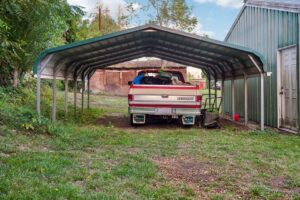
Metal buildings have become increasingly popular among homeowners, ranchers, RV owners, and property owners due to their durability, versatility, and cost-effectiveness. However, one of the most significant challenges that these structures face is rust. Rust not only compromises the aesthetic appeal of metal buildings but can also lead to structural integrity issues over time. Understanding the factors that contribute to rust and how to mitigate them is essential for anyone considering investing in a metal building.
Rust is a form of corrosion that occurs when iron or its alloys react with moisture and oxygen. This chemical reaction can lead to the deterioration of metal structures, making it crucial for property owners to be proactive in preventing rust. In this article, we will explore the various factors that contribute to rust in metal buildings, particularly in wet climates, and provide practical solutions for maintaining the longevity of these structures.
When considering the durability of metal buildings in wet climates, it’s essential to understand the factors that contribute to rust and corrosion. For a deeper insight into the benefits of prefab metal buildings and how they can withstand various weather conditions, you can read this informative article on prefab metal buildings installed in Garland, TX. This resource highlights the advantages of choosing metal structures, especially in areas prone to moisture, and offers valuable information on maintenance practices to prevent rust.
Understanding the Factors that Contribute to Rust in Metal Buildings
Several factors contribute to the formation of rust in metal buildings, with moisture being the primary culprit. When water accumulates on metal surfaces, it creates an environment conducive to oxidation. This is especially true in areas with high humidity or frequent rainfall. Additionally, contaminants such as salt, dirt, and chemicals can accelerate the rusting process by creating electrochemical reactions on the metal surface.
Another significant factor is temperature fluctuations. In regions where temperatures vary widely between day and night, condensation can form on metal surfaces, leading to moisture accumulation. This cycle of heating and cooling can exacerbate rust formation over time. Furthermore, the quality of the metal used in construction plays a crucial role; lower-quality metals are more susceptible to rust than higher-grade materials.
The Impact of Wet Climates on Metal Buildings
Wet climates pose unique challenges for metal buildings. In areas where rainfall is frequent or where humidity levels are consistently high, the risk of rust increases significantly. For instance, coastal regions often experience salt-laden air, which can accelerate corrosion on metal surfaces. Property owners in these areas must be particularly vigilant about rust prevention measures.
Moreover, wet climates can lead to standing water around the foundation of a metal building, which can further contribute to rust formation. If water is not properly drained away from the structure, it can seep into joints and seams, creating an environment ripe for corrosion. Understanding these environmental factors is crucial for property owners looking to protect their investments.
Common Types of Metal Used in Building Construction
When it comes to metal buildings, various types of metals are commonly used, each with its own properties and susceptibility to rust. Steel is one of the most popular choices due to its strength and durability. However, untreated steel is prone to rusting if exposed to moisture over time. Galvanized steel, which has been coated with a layer of zinc, offers better protection against rust but is not entirely immune.
Aluminum is another option that many property owners consider. It naturally forms a protective oxide layer when exposed to air, making it more resistant to corrosion than steel. However, aluminum can still corrode under certain conditions, particularly in environments with high salinity or acidic elements. Understanding the properties of these metals can help property owners make informed decisions about their building materials.
When considering the durability of metal buildings in wet climates, it’s essential to explore various factors that contribute to their longevity. A related article discusses the installation of metal buildings in specific regions, which can provide insights into how local weather conditions affect these structures. For more information on this topic, you can read about the installation of metal buildings near Clackamas County, OR, where the impact of moisture and rust prevention techniques are highlighted. Understanding these aspects can help in making informed decisions about metal building maintenance and protection.
Protective Coatings and Treatments for Metal Buildings
| Climate | Rust Potential |
|---|---|
| Dry Climate | Low |
| Wet Climate | High |
| Humid Climate | High |
To combat rust effectively, many property owners opt for protective coatings and treatments designed specifically for metal buildings. These coatings create a barrier between the metal surface and environmental elements that contribute to corrosion. Common options include paint, powder coating, and specialized rust-inhibiting primers.
Paint is one of the most straightforward methods for protecting metal surfaces. High-quality exterior paint can provide a durable layer of protection against moisture and UV rays. Powder coating offers an even more robust solution; this process involves applying a dry powder that is then cured under heat, resulting in a tough finish that resists chipping and fading.
Additionally, there are specialized treatments available that can be applied directly to metal surfaces to inhibit rust formation. These treatments often contain corrosion inhibitors that bond with the metal and provide long-lasting protection against moisture and oxidation.
When considering the durability of metal buildings in wet climates, it’s important to understand the various factors that can influence their longevity. For instance, while metal structures are generally resistant to rust, the presence of moisture can lead to corrosion if proper protective measures are not taken. To learn more about the options available for metal buildings in your area, you can check out this informative article on metal buildings near you. This resource provides insights into how to choose the right materials and coatings to ensure your metal building remains in excellent condition, even in challenging weather conditions.
Maintenance Practices to Prevent Rust in Metal Buildings
Sure, here is the sentence with the clickable link:
Please visit our website to Request a Free No Obligation Quote: https://metalcarportsandbuildings.com/contact
Regular maintenance is key to preventing rust in metal buildings. Property owners should establish a routine inspection schedule to identify any signs of rust or corrosion early on. This includes checking for areas where water may accumulate, such as gutters, downspouts, and roof edges.
Cleaning is another essential maintenance practice. Removing dirt, debris, and contaminants from metal surfaces can help prevent rust formation. A simple wash with soap and water can go a long way in maintaining the integrity of your building. For more stubborn stains or rust spots, consider using a wire brush or sandpaper followed by a protective coating.
Additionally, addressing any scratches or chips in the protective coating promptly is crucial. Exposed metal is vulnerable to rusting; therefore, applying touch-up paint or a rust-inhibiting primer as soon as damage occurs can help maintain the building’s longevity.
The Role of Proper Drainage and Ventilation in Preventing Rust
Proper drainage and ventilation are critical components in preventing rust in metal buildings. Ensuring that water drains away from the foundation helps minimize moisture accumulation around the structure. Installing gutters and downspouts that direct water away from the building can significantly reduce the risk of standing water.
Ventilation is equally important; it helps reduce humidity levels inside the building and allows for air circulation that can dry out any moisture that may have entered. Installing vents or windows can promote airflow and prevent condensation buildup on metal surfaces.
In addition to these measures, consider landscaping around your building to facilitate drainage. Grading the land away from the structure can help ensure that water flows away rather than pooling around the foundation.
Inspecting and Repairing Rust Damage in Metal Buildings
Even with preventive measures in place, some rust damage may still occur over time. Regular inspections are essential for identifying any areas of concern before they escalate into more significant issues. Look for discoloration, flaking paint, or pitting on metal surfaces as signs of rust development.
If you discover rust damage during your inspection, prompt repair is crucial. Start by removing any loose rust using a wire brush or sandpaper until you reach solid metal. After cleaning the area thoroughly, apply a rust-inhibiting primer followed by a protective coating or paint to seal the surface.
In cases where rust has compromised structural integrity, it may be necessary to replace affected sections of metal or consult with a professional for repairs. Addressing these issues quickly can help extend the life of your metal building significantly.
Case Studies of Metal Buildings in Wet Climates
Examining real-world examples can provide valuable insights into how metal buildings perform in wet climates and what strategies have proven effective in preventing rust. For instance, a rancher in Oregon invested in a galvanized steel barn designed specifically for high rainfall conditions. By incorporating proper drainage systems and regularly applying protective coatings, he has successfully maintained his barn’s integrity for over a decade without significant rust issues.
Another case study involves an RV owner in Florida who faced challenges due to high humidity levels and salt air exposure. By choosing aluminum for his RV cover and implementing regular maintenance practices such as cleaning and inspections, he has managed to keep his structure free from corrosion despite living in a challenging environment.
These case studies highlight the importance of selecting appropriate materials and implementing effective maintenance strategies tailored to specific climate conditions.
Expert Tips for Building and Maintaining Metal Structures in Wet Climates
To ensure the longevity of your metal building in wet climates, consider these expert tips:
1. Choose high-quality materials: Opt for galvanized steel or aluminum for better resistance against rust.
2. Invest in protective coatings: Apply high-quality paint or powder coating to create a barrier against moisture.
3. Implement proper drainage: Ensure that water flows away from your building’s foundation through effective gutter systems.
4. Maintain ventilation: Promote airflow within your structure to reduce humidity levels.
5. Schedule regular inspections: Conduct routine checks for signs of rust or damage and address issues promptly.
6. Clean regularly: Remove dirt and debris from surfaces to prevent corrosion.
7. Address scratches immediately: Touch up any damaged areas with protective coatings as soon as possible.
By following these tips, property owners can significantly reduce the risk of rust and extend the life of their metal buildings.
Ensuring the Longevity of Metal Buildings in Wet Climates
In conclusion, while metal buildings offer numerous advantages for homeowners and property owners alike, they are not without their challenges—particularly when it comes to rust prevention in wet climates. By understanding the factors that contribute to rust formation and implementing effective maintenance practices, you can protect your investment for years to come.
From selecting high-quality materials to ensuring proper drainage and ventilation, every step you take plays a vital role in maintaining your structure’s integrity. Regular inspections and prompt repairs will further enhance your efforts in combating corrosion.
If you’re considering investing in a metal building or need assistance with maintenance strategies tailored to your specific climate conditions, reach out for expert guidance today! For a free no-obligation quote, call (435) 250-4446 or visit us at [metalcarportsandbuildings.com](https://metalcarportsandbuildings.com/). Your investment deserves protection—let us help you ensure its longevity!
FAQs
1. What causes metal buildings to rust in wet climates?
Metal buildings can rust in wet climates due to prolonged exposure to moisture and oxygen, which can lead to the formation of rust on the metal surfaces.
2. How can metal buildings be protected from rust in wet climates?
Metal buildings can be protected from rust in wet climates by using corrosion-resistant coatings, regular maintenance, and proper drainage systems to prevent water accumulation.
3. Are all types of metal susceptible to rust in wet climates?
While all types of metal can rust when exposed to moisture and oxygen, some metals, such as stainless steel and aluminum, are more resistant to corrosion in wet climates compared to others like iron and regular steel.
4. Can rust on metal buildings be repaired in wet climates?
Rust on metal buildings in wet climates can be repaired by removing the rusted areas, treating the metal with rust inhibitors, and applying protective coatings to prevent further corrosion.
5. What are the long-term effects of rust on metal buildings in wet climates?
The long-term effects of rust on metal buildings in wet climates include structural weakening, aesthetic deterioration, and potential safety hazards. Regular maintenance and proper rust prevention measures are essential to mitigate these effects.