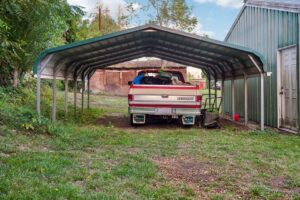
When considering the cost of a 40×80 concrete slab, several key factors come into play. First and foremost, the location of the project significantly impacts pricing. Urban areas often have higher labor costs and material prices due to demand and transportation expenses. Conversely, rural locations may offer lower costs but could face challenges in sourcing materials or skilled labor. Additionally, local building codes and regulations can dictate specific requirements that may increase costs, such as thickness, reinforcement, or drainage systems.
Another critical factor is the slab’s intended use. A residential garage slab will have different specifications than a commercial warehouse floor. For instance, if the slab needs to support heavy machinery or vehicles, it may require additional reinforcement, which can drive up costs. Furthermore, environmental conditions such as soil type and climate can affect the slab’s design and durability, necessitating further investment in materials or engineering solutions.
If you’re considering pouring a 40×80 concrete slab, it’s essential to understand the various factors that can influence the overall cost, including materials, labor, and site preparation. For additional insights on related construction topics, you might find this article on wind-rated metal buildings in Walla Walla, WA, particularly useful. It discusses the benefits and considerations of investing in durable structures that can withstand harsh weather conditions. You can read more about it here: Wind-Rated Metal Buildings in Walla Walla, WA.
Calculating the materials and labor required for a 40×80 concrete slab
To accurately estimate the cost of materials and labor for a 40×80 concrete slab, it’s essential to break down the components involved. The primary material is concrete itself, typically measured in cubic yards. A standard 4-inch thick slab requires approximately 13 cubic yards of concrete, while a thicker slab may require more. The price of concrete can vary widely based on quality and local market conditions, so it’s wise to check with local suppliers for current rates.
Labor costs are another significant component of the overall expense. Hiring skilled laborers for pouring and finishing the slab is crucial for ensuring a quality result. Labor rates can vary based on experience and location, but on average, you might expect to pay between $2 to $5 per square foot for labor alone. Therefore, for a 40×80 slab, labor costs could range from $6,400 to $16,000, depending on the complexity of the job and local wage standards.
Deciding between hiring a professional contractor or taking on a DIY approach for your 40×80 concrete slab is a significant consideration that can affect both cost and quality. Hiring a professional contractor brings expertise and experience to the project, ensuring that the slab is poured correctly and meets all local codes. Professionals are also equipped with the necessary tools and equipment, which can be costly to rent or purchase for a one-time project.
On the other hand, a DIY approach can save money on labor costs but comes with its own set of challenges. If you have experience in concrete work and access to the right tools, you might successfully complete the project yourself. However, it’s essential to consider the potential risks involved. Mistakes in mixing, pouring, or finishing can lead to structural issues down the line, resulting in costly repairs. As Mike Daniels, owner of Metal Carports and Buildings, states, “Investing in quality workmanship upfront can save you from headaches later.”
Comparing the costs of different types of concrete for a 40×80 slab
The type of concrete you choose for your 40×80 slab can significantly influence your overall costs. Standard concrete is typically the most economical option; however, there are various specialized mixes available that may better suit your needs. For instance, high-strength concrete is designed to withstand heavier loads and harsher conditions but comes at a premium price.
Additionally, decorative concrete options such as stamped or colored concrete can enhance the aesthetic appeal of your slab but will also increase costs. Stamped concrete can add anywhere from $2 to $5 per square foot to your project due to the additional labor and materials required for finishing. When comparing costs, it’s essential to weigh the benefits of durability and appearance against your budget constraints.
Factoring in the cost of site preparation and excavation for a 40×80 concrete slab
Before pouring your 40×80 concrete slab, proper site preparation is crucial to ensure a stable foundation. This process often involves clearing vegetation, leveling the ground, and possibly excavating soil to achieve the desired depth. Depending on your site’s condition, excavation costs can vary significantly.
For instance, if your site is relatively flat and free of obstacles, site preparation may only add a few hundred dollars to your project. However, if extensive excavation is required due to rocky soil or uneven terrain, costs could escalate into thousands of dollars. It’s advisable to consult with contractors who can assess your site and provide accurate estimates based on its specific conditions.
When considering the expenses associated with pouring a 40×80 concrete slab, it’s essential to explore various factors that can influence the overall cost. For instance, the type of materials used, labor rates, and site preparation can all play significant roles in determining the final price. If you’re also interested in understanding the costs related to constructing metal buildings, you might find it helpful to read about the pricing for different structures, such as barns, in this related article. This can provide you with a broader perspective on budgeting for your construction projects.
Considering the cost of permits and inspections for a 40×80 concrete slab
| Item | Cost |
|---|---|
| Concrete | Cost per cubic yard |
| Rebar | Cost per linear foot |
| Formwork | Cost per square foot |
| Labor | Cost per hour |
| Equipment rental | Cost per day |
| Finishing materials | Cost per square foot |
In many jurisdictions, pouring a concrete slab requires obtaining permits and passing inspections to ensure compliance with local building codes. The cost of these permits can vary widely based on location and project size but typically ranges from $100 to $1,000 or more.
It’s essential to factor these costs into your overall budget when planning your 40×80 concrete slab project. Additionally, inspections may be required at various stages of construction, which could incur further fees. Failing to secure necessary permits can lead to fines or complications down the line, making it crucial to understand local regulations before starting your project.
When considering the expenses involved in pouring a 40×80 concrete slab, it’s essential to also explore related construction costs that can impact your overall budget. For instance, if you’re planning to build a structure on that slab, understanding the cost range for a metal shop building can provide valuable insights. You can find detailed information in this article about the cost range for a 36×60 metal shop building, which may help you gauge the financial aspects of your project more comprehensively.
Understanding the cost of additional features such as reinforcement, coloring, or stamping for a 40×80 concrete slab
Sure, here is the sentence with the clickable link:
Please visit our website to Request a Free No Obligation Quote: https://metalcarportsandbuildings.com/contact
While a basic concrete slab serves its purpose well, adding features such as reinforcement or decorative elements can enhance its functionality and appearance but will also increase costs. Reinforcement options like rebar or wire mesh are often recommended for slabs that will bear heavy loads or are subject to cracking due to temperature fluctuations.
Coloring or stamping adds aesthetic value but comes with additional expenses as well. For example, coloring agents can add $1 to $3 per square foot, while stamping may increase costs by $2 to $5 per square foot depending on the complexity of the design chosen. When considering these features, it’s essential to balance your budget with your desired outcome.
Exploring the potential cost savings of using alternative materials for a 40×80 concrete slab
While traditional concrete is a popular choice for slabs due to its durability and strength, alternative materials may offer cost savings in certain situations. For instance, using pervious concrete allows water to drain through the surface rather than pooling on top, which can reduce site preparation costs related to drainage systems.
Additionally, recycled materials such as crushed stone or reclaimed concrete can be used as aggregate in new mixes, potentially lowering material costs while being environmentally friendly. However, it’s crucial to ensure that any alternative materials meet local building codes and performance standards before proceeding with their use.
Budgeting for unexpected expenses when pouring a 40×80 concrete slab
When planning your budget for a 40×80 concrete slab project, it’s wise to set aside funds for unexpected expenses that may arise during construction. Factors such as weather delays, equipment breakdowns, or unforeseen site conditions can all lead to additional costs that were not initially accounted for.
A good rule of thumb is to allocate an additional 10% to 20% of your total budget for contingencies. This buffer will help you manage any surprises without derailing your project financially. As Mike Daniels advises, “Being prepared for unexpected expenses ensures that you can complete your project without unnecessary stress.”
Obtaining quotes from multiple contractors for a 40×80 concrete slab project
To ensure you receive fair pricing for your 40×80 concrete slab project, it’s essential to obtain quotes from multiple contractors. This process allows you to compare not only prices but also services offered and contractor reputations. When requesting quotes, be specific about your project requirements so that contractors provide accurate estimates.
Additionally, consider asking for references or examples of previous work from each contractor. This information can help you gauge their experience and reliability. Remember that the lowest bid isn’t always the best option; quality workmanship should be prioritized alongside cost.
Understanding the long-term costs and benefits of investing in a 40×80 concrete slab
Investing in a 40×80 concrete slab is not just about initial costs; it’s also about understanding long-term benefits and potential savings. A well-constructed concrete slab offers durability and low maintenance over time compared to other materials like asphalt or gravel.
Moreover, if properly reinforced and designed according to local conditions, a concrete slab can withstand harsh weather conditions without significant wear or damage. This longevity translates into fewer repairs and replacements over time, ultimately saving you money in the long run.
In conclusion, understanding all aspects of pouring a 40×80 concrete slab—from initial costs to long-term benefits—will empower homeowners and property owners alike to make informed decisions about their projects. By considering factors such as materials, labor, site preparation, permits, and potential unexpected expenses, you can create a comprehensive budget that aligns with your goals while ensuring quality results that stand the test of time.
FAQs
1. What factors influence the cost of pouring a 40×80 concrete slab?
The cost of pouring a 40×80 concrete slab can be influenced by factors such as the quality of the concrete, the thickness of the slab, the site preparation required, labor costs, and any additional features or finishes.
2. What is the average cost of pouring a 40×80 concrete slab?
The average cost of pouring a 40×80 concrete slab can vary depending on location and specific project requirements, but it typically ranges from $8,000 to $12,000.
3. Are there any additional costs to consider when pouring a concrete slab of this size?
Additional costs to consider when pouring a 40×80 concrete slab may include excavation and site preparation, reinforcement materials such as rebar or wire mesh, concrete delivery, and finishing techniques such as stamping or staining.
4. How can I estimate the cost of pouring a 40×80 concrete slab for my project?
To estimate the cost of pouring a 40×80 concrete slab for your project, it is recommended to obtain quotes from local contractors, taking into account the specific requirements and site conditions. This will provide a more accurate estimate based on your individual needs.
5. Are there any cost-saving measures to consider when pouring a 40×80 concrete slab?
Cost-saving measures for pouring a 40×80 concrete slab may include using a lower-cost concrete mix, minimizing the need for extensive site preparation, and opting for a basic finish rather than more elaborate decorative options. It is important to consult with a professional to ensure that cost-saving measures do not compromise the quality and longevity of the slab.