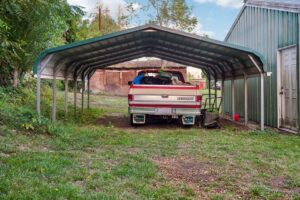
Coeur d’Alene, Idaho, is known for its stunning natural beauty, but it also experiences significant snowfall during the winter months. Snow load refers to the weight of snow that accumulates on a structure, and understanding this concept is crucial for homeowners and property owners in the area. The snow load is typically measured in pounds per square foot (psf) and varies based on local climate conditions, elevation, and the specific design of the building. In Coeur d’Alene, the average snow load can reach up to 50 psf, depending on the season and weather patterns.
For property owners, recognizing the implications of snow load is essential for ensuring the safety and longevity of metal buildings, garages, and carports. Structures that are not designed to handle the weight of accumulated snow may suffer from structural damage or even collapse. Therefore, understanding snow load is not just a matter of compliance with building codes; it’s a critical aspect of responsible property management.
When considering the construction of metal buildings in Coeur d’Alene, Idaho, it’s essential to take into account the snow load requirements specific to the region. Properly assessing these factors ensures the structural integrity and longevity of your building. For more information on similar considerations, you can refer to a related article that discusses prefab metal buildings and their installation in nearby Lewistown, MT. This article provides valuable insights into the necessary specifications and services available for metal structures in snowy climates. You can read it here: Prefab Metal Buildings Installed in Lewistown, MT.
Importance of Snow Load Considerations for Metal Buildings
When it comes to metal buildings, snow load considerations are paramount. Unlike traditional wooden structures, metal buildings have unique engineering properties that can either enhance or compromise their ability to withstand heavy snow loads. For instance, metal roofs can shed snow more effectively than other materials, but they also require proper design and installation to ensure they can handle the weight without bending or buckling.
Failing to account for snow load can lead to costly repairs and safety hazards. Mike Daniels, owner of Metal Carports and Buildings, emphasizes that “the integrity of a metal building relies heavily on its design and materials used. If you overlook snow load considerations, you risk not only your investment but also the safety of those who use the building.” This highlights the importance of thorough planning and consultation with professionals who understand local conditions.
Factors Affecting Snow Load in Coeur d’Alene, Idaho
Several factors influence snow load in Coeur d’Alene, Idaho. First and foremost is the geographical location. The city’s elevation and proximity to Lake Coeur d’Alene contribute to varying snowfall amounts. Areas at higher elevations typically experience heavier snowfall, which directly impacts the snow load calculations for buildings in those regions.
Additionally, the type of roof design plays a significant role in how snow accumulates. Flat roofs tend to hold more snow than sloped roofs, which allow for better drainage. The orientation of the building can also affect snow accumulation; structures that face prevailing winds may experience drifting snow, leading to uneven loads that can stress certain areas of the building more than others. Understanding these factors is crucial for property owners when planning their metal buildings.
Building Codes and Regulations for Snow Load in Coeur d’Alene, Idaho
Building codes in Coeur d’Alene are designed to ensure that structures can withstand local environmental conditions, including snow loads. The International Building Code (IBC) provides guidelines that local jurisdictions adopt and modify based on regional needs. In Coeur d’Alene, these codes specify minimum snow load requirements that must be met during construction.
Property owners should familiarize themselves with these regulations before beginning any construction project. Compliance not only ensures safety but also protects against potential legal issues down the line. Consulting with local building officials or a licensed engineer can provide clarity on specific requirements related to snow load and other structural considerations.
When considering the construction of metal buildings in Coeur d’Alene, Idaho, it is essential to take into account various factors, including snow load considerations that can significantly impact the structural integrity of your building. For those interested in understanding more about how snow loads affect metal structures, a related article provides valuable insights into the necessary specifications and design strategies. You can read more about these important factors in the context of metal buildings by visiting this informative resource.
Designing Metal Buildings to Withstand Snow Load in Coeur d’Alene, Idaho
| Location | Snow Load (psf) | Roof Slope |
|---|---|---|
| Coeur d’Alene, Idaho | 30-60 | 0.5:12 – 1:12 |
Designing a metal building to withstand snow load involves several key considerations. First, engineers must calculate the expected snow load based on local data and building use. This calculation informs decisions about structural elements such as beams, trusses, and roof pitch. A well-designed roof with an appropriate slope can help minimize snow accumulation and reduce stress on the structure.
Moreover, using advanced engineering techniques such as computer modeling can help predict how a building will perform under various snow load scenarios. This proactive approach allows for adjustments in design before construction begins, ensuring that the final product is both safe and durable. Property owners should work closely with experienced architects and engineers who understand the unique challenges posed by heavy snowfall in Coeur d’Alene.
When considering metal buildings in Coeur d’Alene, Idaho, it’s essential to take into account snow load considerations due to the region’s winter weather. Properly assessing the snow load can ensure the structural integrity and longevity of your building. For more insights on how to choose the right design for varying climates, you may find this article on vertical roof metal buildings particularly useful, as it discusses the benefits of different roofing styles in relation to snow accumulation.
Choosing the Right Materials for Metal Buildings in Coeur d’Alene, Idaho
Metal carports and buildings are a great investment for your property, visit https://metalcarportsandbuildings.com/building-styles/ to explore different building styles.
Selecting appropriate materials is crucial for constructing metal buildings that can withstand heavy snow loads. Steel is often the material of choice due to its high strength-to-weight ratio and durability. However, not all steel is created equal; property owners should look for galvanized steel or other corrosion-resistant options to ensure longevity.
In addition to steel quality, insulation plays a vital role in managing snow load effects. Proper insulation helps regulate temperature differences between the interior and exterior of a building, reducing the risk of ice dam formation on roofs. This is particularly important in areas like Coeur d’Alene where temperature fluctuations can lead to rapid melting and refreezing of snow.
Proper Maintenance and Snow Load Management for Metal Buildings
Once a metal building is constructed, ongoing maintenance is essential for managing snow load effectively. Regular inspections should be conducted to identify any signs of wear or damage that could compromise structural integrity. Property owners should pay special attention to roof conditions after heavy snowfall events.
Additionally, proactive snow removal strategies can help mitigate risks associated with heavy accumulations. Using tools like roof rakes or hiring professional services can prevent excessive weight from accumulating on roofs. Mike Daniels advises that “a little maintenance goes a long way; keeping your roof clear of snow not only prolongs its life but also ensures safety for everyone who uses the building.”
Hiring Professional Engineers and Contractors for Snow Load Considerations
Engaging professional engineers and contractors is vital when addressing snow load considerations for metal buildings in Coeur d’Alene. These experts bring valuable knowledge about local building codes, material selection, and design principles tailored to withstand heavy snowfall.
When selecting professionals for your project, look for those with experience in designing structures specifically for snowy climates. Ask for references and review past projects to gauge their expertise. A well-informed team will help ensure that your building meets all necessary requirements while providing peace of mind regarding its safety and durability.
Inspecting and Assessing Snow Load on Metal Buildings in Coeur d’Alene, Idaho
Regular inspections are crucial for assessing snow load on metal buildings in Coeur d’Alene. Property owners should schedule evaluations after significant snowfall events to determine if their structures are holding up under the weight. Inspectors will look for signs of stress such as sagging roofs or cracks in walls.
In addition to visual inspections, employing structural engineers to conduct thorough assessments can provide deeper insights into a building’s integrity. These professionals use specialized tools and techniques to evaluate how well a structure is performing under current conditions and whether any modifications are necessary.
Preparing for Extreme Snow Load Events in Coeur d’Alene, Idaho
Preparing for extreme snow load events requires proactive planning and response strategies. Property owners should stay informed about weather forecasts during winter months and be ready to take action if heavy snowfall is predicted. This may include scheduling additional inspections or arranging for snow removal services ahead of time.
Moreover, having an emergency plan in place can help mitigate risks associated with sudden heavy snowfall. This plan should outline steps to take if structural issues arise or if immediate action is needed to protect occupants and property.
Ensuring Safety and Durability of Metal Buildings in Coeur d’Alene, Idaho
In conclusion, understanding and addressing snow load considerations is essential for ensuring the safety and durability of metal buildings in Coeur d’Alene, Idaho. From initial design through ongoing maintenance, every aspect plays a role in protecting your investment against the challenges posed by heavy snowfall.
By working with qualified professionals, adhering to local building codes, and implementing effective maintenance strategies, property owners can create structures that not only withstand winter’s harsh conditions but also provide lasting value for years to come. As Mike Daniels aptly puts it, “Investing in proper design and maintenance today will save you from costly repairs tomorrow.” Prioritizing these considerations will ultimately lead to safer environments for all who utilize these essential structures.
FAQs
What are snow load considerations for metal buildings in Coeur d’Alene, Idaho?
In Coeur d’Alene, Idaho, snow load considerations for metal buildings are crucial due to the heavy snowfall the region experiences during the winter months. Building designs must account for the weight of snow accumulation on the roof and ensure structural integrity.
How does snow load affect metal buildings in Coeur d’Alene, Idaho?
Snow load can exert significant pressure on the roof and walls of metal buildings, potentially leading to structural damage or collapse if not properly accounted for. It is important to consider the design, materials, and construction methods to withstand the weight of snow.
What factors should be considered when designing metal buildings in Coeur d’Alene, Idaho to withstand snow load?
When designing metal buildings in Coeur d’Alene, Idaho, factors such as roof pitch, building orientation, local building codes, and the specific snow load requirements for the area should be carefully considered to ensure the structural integrity of the building.
What are some common methods for addressing snow load in metal building design?
Common methods for addressing snow load in metal building design include using reinforced trusses, increasing roof pitch, incorporating snow guards or retention systems, and selecting appropriate roofing materials that can shed snow effectively.
Why is it important to work with experienced professionals when considering snow load in metal building design in Coeur d’Alene, Idaho?
Working with experienced professionals is important when considering snow load in metal building design in Coeur d’Alene, Idaho because they have the expertise to assess the specific snow load requirements for the area and ensure that the building is designed and constructed to withstand the potential snow loads.