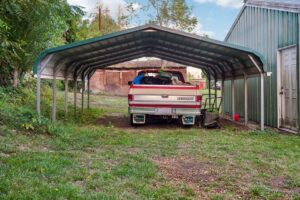
When it comes to protecting your pickup truck, the height of your carport is a crucial factor that often gets overlooked. A carport serves as a shield against the elements, safeguarding your vehicle from rain, snow, and harmful UV rays. However, if the carport is not tall enough, it can lead to a host of problems, including damage to your truck and inconvenience for you as the owner. The right height ensures that your vehicle fits comfortably without risking any scratches or dents from the structure itself.
Moreover, understanding the importance of carport height goes beyond just fitting your truck. It also plays a significant role in accessibility and usability. A well-designed carport allows for easy entry and exit, making it more convenient for daily use. For pickup truck owners, who often rely on their vehicles for work or recreation, having a carport that accommodates their truck’s height can make a world of difference in terms of functionality and ease of access.
When considering the best carport height for pickup trucks, it’s essential to take into account the dimensions and specifications of your vehicle. For more detailed insights on custom metal buildings that can accommodate larger vehicles, you can refer to this article on custom metal buildings in Utah. This resource provides valuable information on how to choose the right structure to ensure your pickup truck fits comfortably while also considering additional storage needs.
Factors to Consider When Determining the Best Carport Height for Pickup Trucks
Several factors come into play when determining the ideal height for a carport designed to house pickup trucks. First and foremost is the height of your specific truck model. Pickup trucks vary significantly in height, especially when considering different makes and models. For instance, a standard Ford F-150 may have a height of around 75 inches, while a lifted model could exceed 80 inches. Therefore, knowing your truck’s exact dimensions is essential for making an informed decision.
Another critical factor is the type of roof style you choose for your carport. A gable roof may require additional height compared to a flat roof due to its sloped design. Additionally, local weather conditions should be considered; areas prone to heavy snowfall may necessitate a taller structure to prevent snow accumulation on the roof. Understanding these factors will help you select a carport height that not only fits your truck but also meets local regulations and environmental needs.
The Impact of Carport Height on Pickup Truck Accessibility
The height of your carport directly influences how easily you can access your pickup truck. A carport that is too low can make it challenging to enter and exit the vehicle comfortably, especially if you have to duck or maneuver awkwardly to avoid hitting your head. This can be particularly frustrating after a long day at work or during inclement weather when you want to get in and out quickly.
Conversely, a carport that is too high may not provide the same level of protection from the elements. If the structure is excessively tall, it could expose your truck to wind-driven rain or snow accumulation on the roof, which can eventually slide off and damage your vehicle. Therefore, finding a balance in height is essential for ensuring both accessibility and protection.
How Carport Height Affects the Protection of Pickup Trucks from the Elements
One of the primary functions of a carport is to protect your vehicle from environmental factors such as rain, snow, hail, and UV rays. The height of the carport plays a significant role in how effectively it can shield your pickup truck from these elements. A properly sized carport will keep your truck dry during rainstorms and prevent snow from piling up on its roof.
Additionally, UV rays can cause paint fading and interior damage over time. A taller carport can provide better coverage against direct sunlight, especially if it has side panels or additional features like awnings. This added protection not only preserves the aesthetic appeal of your truck but also maintains its resale value over time.
When considering the best carport height for pickup trucks, it’s also important to explore how different styles of carports can accommodate various vehicle types. For instance, if you’re interested in vertical roof metal buildings, you might find useful insights in a related article that discusses their advantages in terms of durability and weather resistance. You can read more about this topic by visiting vertical roof metal buildings in Pinebrook, Utah, which can provide additional guidance for your carport needs.
The Relationship Between Carport Height and Clearance for Pickup Trucks
| Carport Height | Suitability for Pickup Trucks |
|---|---|
| 8 feet | Suitable for most standard pickup trucks |
| 10 feet | Accommodates larger pickup trucks and trucks with roof racks |
| 12 feet | Provides ample clearance for lifted pickup trucks and trucks with accessories |
Clearance is another vital aspect when considering carport height for pickup trucks. Clearance refers to the vertical space available above your vehicle when parked inside the carport. Insufficient clearance can lead to damage not only to the truck but also to any accessories you may have installed, such as roof racks or toolboxes.
When selecting a carport height, it’s essential to account for any additional features on your truck that may increase its overall height. For example, if you have installed larger tires or a lift kit, you will need to adjust your carport height accordingly. Ensuring adequate clearance will help you avoid costly repairs and maintain the integrity of your vehicle.
Finding the Right Balance Between Carport Height and Aesthetic Appeal for Pickup Trucks
Sure, here is the sentence with the clickable link:
Please visit our website to Request a Free No Obligation Quote: https://metalcarportsandbuildings.com/contact
While functionality is paramount when choosing a carport height, aesthetic appeal should not be overlooked. A well-designed carport can enhance the overall look of your property while providing necessary protection for your pickup truck. Striking the right balance between height and aesthetics involves considering how the structure fits into your landscape and complements your home.
For instance, if you live in an area with strict zoning laws or homeowners’ association guidelines, you may need to adhere to specific height restrictions. In such cases, working with a professional designer can help you create a visually appealing carport that meets all necessary regulations while still accommodating your pickup truck’s height requirements.
Common Mistakes to Avoid When Choosing the Carport Height for Pickup Trucks
When selecting a carport height for your pickup truck, several common mistakes can lead to dissatisfaction down the line. One frequent error is failing to measure your vehicle accurately before making a decision. Always take precise measurements of your truck’s height and consider any modifications that may affect its overall size.
Another mistake is neglecting local building codes and regulations regarding structure height. Many areas have specific guidelines that dictate how tall a carport can be built. Ignoring these regulations can result in fines or even having to dismantle your structure later on. Always consult with local authorities or professionals before finalizing your plans.
Tips for Measuring and Assessing the Ideal Carport Height for Pickup Trucks
Measuring for the ideal carport height involves more than just knowing your truck’s dimensions; it requires careful consideration of various factors that could affect fit and functionality. Start by measuring the total height of your pickup truck from the ground to its highest point, which may include roof racks or other accessories.
Once you have this measurement, add at least 12-18 inches to ensure adequate clearance when entering and exiting the vehicle. This extra space will also account for any potential settling of the ground beneath the carport over time. Additionally, consider any local weather conditions that may require additional height for snow load or wind resistance.
Adjusting Carport Height for Different Types of Pickup Trucks
Not all pickup trucks are created equal; they come in various sizes and configurations that can significantly impact their height requirements. For example, compact trucks like the Toyota Tacoma will have different needs compared to full-size trucks like the Chevrolet Silverado or heavy-duty models like the Ram 2500.
When planning for multiple vehicles or different types of trucks, consider designing a carport with adjustable features or multiple bays at varying heights. This flexibility allows you to accommodate different vehicles without compromising on protection or accessibility.
Customizing Carport Height to Accommodate Lifted or Modified Pickup Trucks
If you’re an enthusiast who has lifted or modified your pickup truck, customizing your carport height becomes even more critical. Lifted trucks can exceed standard heights by several inches, making it essential to account for these modifications when designing your carport.
Consulting with professionals who specialize in custom metal buildings can help you create a structure that meets both aesthetic desires and functional needs. They can provide insights into materials and designs that will accommodate lifted trucks while ensuring durability and stability.
The Future of Carport Design and Its Impact on Pickup Truck Height Requirements
As technology advances and design trends evolve, so too does the landscape of carports and their suitability for modern vehicles like pickup trucks. Future designs may incorporate adjustable heights or modular components that allow homeowners to adapt their structures as their vehicle needs change over time.
Additionally, innovations in materials could lead to lighter yet stronger structures that offer better protection without requiring excessive height. As more people invest in lifted or modified trucks, manufacturers will likely respond with designs that cater specifically to these needs, ensuring that every pickup owner can find a suitable solution.
In conclusion, selecting the right carport height for your pickup truck involves careful consideration of various factors including vehicle dimensions, accessibility, protection from elements, clearance requirements, aesthetic appeal, and future adaptability. By avoiding common mistakes and taking precise measurements, you can ensure that your investment in a metal building serves its purpose effectively while enhancing the overall value of your property.
For more information on custom metal buildings tailored to fit your needs, visit [Metal Carports and Buildings](https://metalcarportsandbuildings.com/) or call (435) 250-4446 for a free no-obligation quote today!
FAQs
What is the standard carport height for pickup trucks?
The standard carport height for pickup trucks is typically around 7 feet to 8 feet. This allows for enough clearance for most pickup trucks to comfortably fit without risking damage to the vehicle.
What factors should be considered when determining the best carport height for pickup trucks?
When determining the best carport height for pickup trucks, factors such as the height of the truck, any modifications or accessories added to the truck, and the potential for future vehicle purchases should be taken into consideration.
Are there adjustable carport options available for pickup trucks?
Yes, there are adjustable carport options available for pickup trucks. These can be beneficial for accommodating different truck heights or for future vehicle changes.
What are the potential risks of choosing a carport with insufficient height for a pickup truck?
Choosing a carport with insufficient height for a pickup truck can result in damage to the vehicle, including scratches, dents, or even structural damage. It can also make it difficult to enter and exit the vehicle safely.
Are there any regulations or guidelines for carport heights for pickup trucks?
There are no specific regulations or guidelines for carport heights for pickup trucks, but it is important to ensure that the chosen height provides enough clearance for the specific truck and any potential future vehicles.