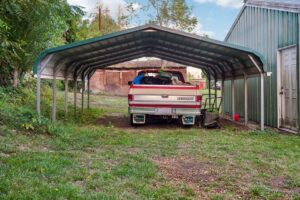
Metal buildings have become increasingly popular in Utah, especially among homeowners, ranchers, and property owners looking for durable and versatile structures. With the state’s diverse climate, which includes heavy snowfall in the winter months, metal buildings offer a robust solution for various needs, from garages and carports to barns and workshops. Their strength, longevity, and low maintenance requirements make them an attractive option for those seeking reliable shelter for vehicles, equipment, and livestock.
In Utah, where the landscape ranges from arid deserts to snow-capped mountains, the versatility of metal buildings is unmatched. They can be customized to fit specific needs and preferences, whether you require a simple shed or a large commercial space. As Mike Daniels, a seasoned property owner in Utah, puts it, “Metal buildings have transformed how we think about storage and workspace. They’re not just functional; they can be tailored to suit our unique environment.”
If you’re considering the durability of metal buildings in harsh weather conditions, particularly in snowy regions like Utah, you might find it helpful to read a related article that discusses the advantages of metal structures in Park City. This article provides insights into how metal buildings are designed to withstand heavy snowfall and other environmental challenges. For more information, you can check out this resource: Metal Buildings in Park City, Utah.
Understanding Utah Snowstorms
Utah is known for its stunning winter landscapes, but with that beauty comes the challenge of snowstorms. The state experiences significant snowfall, particularly in mountainous regions like the Wasatch Range. Snowstorms can vary in intensity, with some areas receiving several feet of snow in a single storm. Understanding the nature of these storms is crucial for anyone considering a metal building in Utah.
Snowstorms can lead to heavy snow accumulation on roofs and structures, which can pose risks if not properly managed. The weight of snow can exceed the structural limits of inadequately designed buildings, leading to potential collapses or damage. Therefore, it’s essential for property owners to be aware of their local weather patterns and prepare accordingly. Mike Daniels emphasizes the importance of being proactive: “Knowing what to expect from Utah’s winter weather has helped me make informed decisions about my metal building’s design and maintenance.”
Benefits of Metal Buildings in Snowy Climates
Metal buildings offer numerous advantages in snowy climates like Utah. One of the most significant benefits is their strength and durability. Constructed from high-quality steel, these buildings are designed to withstand harsh weather conditions, including heavy snow loads and strong winds. Unlike traditional wooden structures, metal buildings do not warp or rot over time, ensuring they remain structurally sound even after years of exposure to the elements.
Another advantage is the low maintenance required for metal buildings. Homeowners can save time and money on upkeep since metal does not require regular painting or sealing like wood. Additionally, metal buildings are often more energy-efficient than traditional structures when properly insulated, helping to reduce heating costs during the cold winter months. Mike Daniels notes, “I appreciate how little maintenance my metal building requires. It allows me to focus on my ranch instead of worrying about repairs.”
Design Considerations for Metal Buildings in Utah
When designing a metal building in Utah, several factors must be considered to ensure it can withstand the state’s unique weather conditions. First and foremost is the roof design. A pitched roof is often recommended for snowy climates as it allows snow to slide off more easily, reducing the risk of accumulation and potential structural damage. Flat roofs may require additional support and drainage systems to manage snow load effectively.
Another critical consideration is the building’s size and layout. Property owners should assess their specific needs and plan accordingly. For instance, larger buildings may require additional structural support to handle increased snow loads. Additionally, proper anchoring is essential to prevent wind uplift during storms. Mike Daniels advises, “Take your time during the design phase. A well-thought-out plan will pay off in the long run.”
When considering the durability of metal buildings in harsh climates, it’s important to explore how they perform under extreme weather conditions, such as the heavy snowstorms often experienced in Utah. A related article discusses the benefits of certified metal buildings, which are designed to withstand severe weather while providing reliable protection for your assets. For more information on the advantages of these structures, you can read about certified metal buildings in Edgewood, NM by following this link: certified metal buildings.
Snow Load Requirements for Metal Buildings in Utah
| City | Average Snowfall (inches) | Maximum Snowfall (inches) | Maximum Wind Speed (mph) |
|---|---|---|---|
| Salt Lake City | 56 | 120 | 70 |
| Provo | 57 | 118 | 65 |
| Ogden | 63 | 130 | 75 |
Understanding snow load requirements is vital for anyone considering a metal building in Utah. Snow load refers to the weight of snow that a structure must support safely. In Utah, snow load requirements vary by region due to differences in snowfall amounts and patterns. The International Building Code (IBC) provides guidelines that local jurisdictions often adopt.
Before construction begins, it’s essential to consult with local building authorities to determine the specific snow load requirements for your area. This information will guide you in selecting the appropriate materials and design features for your metal building. Mike Daniels emphasizes the importance of compliance: “Meeting local codes isn’t just about legality; it’s about ensuring your building can handle whatever Mother Nature throws at it.”
When considering the durability of metal buildings in harsh winter conditions, it’s essential to understand how they perform during heavy snowfall, particularly in regions like Utah. For a deeper insight into this topic, you can explore a related article that discusses snow load-rated metal buildings and their ability to withstand extreme weather. This information can be invaluable for anyone looking to invest in a structure that will endure the challenges of a Utah snowstorm. To learn more, visit this article.
Case Studies of Metal Buildings in Utah Snowstorms
Sure, here is the sentence with the clickable link:
Please visit our website to Request a Free No Obligation Quote: https://metalcarportsandbuildings.com/contact
Several case studies illustrate the effectiveness of metal buildings in handling Utah’s snowstorms. For example, a rancher in Park City constructed a large metal barn designed specifically for heavy snow loads. During a particularly harsh winter, the barn withstood over three feet of snow without any structural issues, allowing the rancher to keep livestock safe and secure.
Another case involved a homeowner in Salt Lake City who opted for a metal garage with a pitched roof design. When a major snowstorm hit, the garage easily shed snow without accumulating on the roof, preventing any potential damage. These real-life examples highlight how well-designed metal buildings can perform under extreme weather conditions.
Maintenance and Precautions for Metal Buildings in Snowy Conditions
While metal buildings are generally low maintenance, some precautions should be taken during snowy conditions to ensure their longevity and performance. Regular inspections are crucial during winter months to check for any signs of snow accumulation on roofs or potential structural issues. If heavy snowfall occurs, property owners should consider removing excess snow from roofs to prevent overloading.
Additionally, ensuring proper drainage around the building is essential to prevent water pooling or ice formation during thaw cycles. Mike Daniels recommends investing in snow removal equipment or hiring professionals if necessary: “It’s better to be proactive than reactive when it comes to winter maintenance.”
Insulation and Heating Options for Metal Buildings in Utah
Insulation plays a vital role in maintaining comfortable temperatures inside metal buildings during Utah’s cold winters. Proper insulation not only helps keep heating costs down but also prevents condensation issues that can lead to rust or mold growth. Various insulation options are available, including fiberglass batts, spray foam, and reflective barriers.
Heating options also vary based on individual needs and preferences. Some property owners opt for electric heaters or propane units, while others may choose more energy-efficient solutions like radiant floor heating or wood stoves. Mike Daniels suggests evaluating your heating needs carefully: “Choosing the right insulation and heating system can make all the difference in comfort during those frigid months.”
Comparing Metal Buildings to Traditional Construction in Snowy Climates
When comparing metal buildings to traditional construction methods in snowy climates like Utah, several key differences emerge. Metal buildings typically offer superior strength and durability compared to wood structures, which can warp or deteriorate over time due to moisture exposure. This durability translates into lower long-term maintenance costs.
Additionally, metal buildings often have faster construction times than traditional wood-framed structures due to pre-engineered components that can be assembled quickly on-site. This efficiency can be particularly beneficial for property owners needing immediate shelter from winter weather conditions.
However, traditional construction may offer more aesthetic flexibility for some homeowners who prefer a specific architectural style or finish that metal buildings may not provide as easily. Ultimately, the choice between metal and traditional construction will depend on individual needs and preferences.
Tips for Choosing a Reliable Metal Building Provider in Utah
Selecting a reputable metal building provider is crucial for ensuring your project’s success. Start by researching local companies with experience in designing and constructing metal buildings suitable for snowy climates. Look for providers who offer customizable options tailored to your specific needs.
Check customer reviews and testimonials to gauge the quality of their work and customer service. Additionally, inquire about warranties and certifications that demonstrate their commitment to quality standards. Mike Daniels advises potential buyers: “Don’t rush this decision; take your time to find a provider who understands your needs and has a solid track record.”
Can Metal Buildings Handle Utah Snowstorms?
In conclusion, metal buildings are well-equipped to handle the challenges posed by Utah’s snowstorms when designed and constructed correctly. Their strength, durability, low maintenance requirements, and energy efficiency make them an ideal choice for homeowners, ranchers, RV owners, and property owners alike.
By understanding local snow load requirements, considering design elements such as roof style and insulation options, and choosing a reliable provider, you can ensure that your metal building will stand strong against winter’s worst conditions. If you’re ready to explore your options further or need a free no-obligation quote for your project, contact us at (435) 250-4446 or visit [metalcarportsandbuildings.com](https://metalcarportsandbuildings.com/). Your ideal metal building awaits!
FAQs
1. Are metal buildings able to withstand heavy snow loads in Utah?
Yes, metal buildings are designed to handle heavy snow loads, including those experienced in Utah snowstorms. The structural integrity of metal buildings allows them to withstand the weight of accumulated snow without compromising their stability.
2. What factors contribute to the ability of metal buildings to handle Utah snowstorms?
Metal buildings are engineered to meet specific snow load requirements based on the location and climate. Factors such as the pitch of the roof, the type of metal used, and the building’s design all contribute to its ability to handle Utah snowstorms.
3. Do metal buildings require special maintenance to withstand Utah snowstorms?
While metal buildings are designed to withstand snow loads, it is still important to properly maintain them to ensure their longevity and structural integrity. This may include regular inspections, snow removal when necessary, and addressing any potential issues that may arise.
4. Can metal buildings be customized to meet specific snow load requirements in Utah?
Yes, metal buildings can be customized to meet specific snow load requirements in Utah. Engineers and architects can design metal buildings with the necessary features to ensure they can withstand the snow loads typical of the region.
5. Are there any additional considerations for metal buildings in Utah snowstorms?
In addition to snow load considerations, it’s important to ensure that metal buildings in Utah are properly insulated to prevent heat loss and snow melt, which can lead to ice dams and other potential issues. Proper drainage and snow removal plans should also be considered to maintain the integrity of the building during snowstorms.