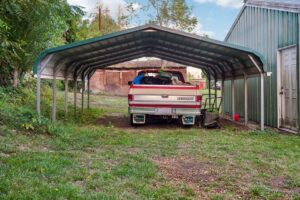
When it comes to metal buildings, whether they are garages, barns, or workshops, proper anchoring is crucial for ensuring structural integrity and longevity. Anchors serve as the foundation that secures your building to the ground, preventing it from shifting or collapsing under various environmental pressures. Without adequate anchoring, even the sturdiest metal structure can become vulnerable to wind, snow loads, and seismic activity. Homeowners and property owners must recognize that investing in quality anchors is not just a matter of compliance; it’s about safeguarding their investment.
Proper anchoring also plays a significant role in maintaining the overall safety of the structure. For ranchers and RV owners, a well-anchored building can protect valuable equipment and livestock from potential hazards. In regions prone to extreme weather conditions, such as heavy snowfall or high winds, the importance of anchoring cannot be overstated. It’s essential to understand that the right anchors can make a significant difference in how well your building withstands these forces.
Proper anchoring is essential for the stability and longevity of metal buildings, as highlighted in the article “50×60 Steel Carports in Utah” found at this link. The article discusses various factors that contribute to the structural integrity of steel carports, emphasizing how inadequate anchoring can lead to significant issues, especially in regions prone to severe weather conditions. By understanding the importance of proper anchoring techniques, builders and owners can ensure that their metal structures withstand the test of time and environmental challenges.
Types of metal building anchors
There are several types of anchors available for metal buildings, each designed to meet specific needs and conditions. The most common types include concrete anchors, mobile home anchors, and ground anchors. Concrete anchors are typically used for permanent structures and involve embedding bolts into concrete footings. This method provides a strong hold and is ideal for buildings that will face heavy loads or extreme weather.
Mobile home anchors are designed for structures that may need to be relocated. These anchors are often used in areas with high wind loads and are installed in a way that allows for flexibility while still providing stability. Ground anchors, on the other hand, are driven into the soil and are suitable for lighter structures or temporary buildings. Each type of anchor has its advantages and disadvantages, making it essential for property owners to choose the right one based on their specific requirements.
Factors to consider when choosing anchors
When selecting anchors for your metal building, several factors should be taken into account. First and foremost is the local climate. Areas with high wind speeds or heavy snowfall will require more robust anchoring solutions to ensure stability. Additionally, soil type plays a critical role; sandy or loose soils may necessitate deeper or more substantial anchors compared to rocky or compacted soils.
Another important consideration is the size and weight of your building. Larger structures will naturally require more substantial anchoring systems to support their weight and resist external forces. Furthermore, local building codes may dictate specific anchoring requirements based on the type of structure you are erecting. It’s crucial to consult with local authorities or a professional to ensure compliance with these regulations.
The role of anchors in structural stability
Anchors are vital for maintaining the structural stability of metal buildings. They act as a connection point between the building and the ground, distributing loads evenly and preventing movement during adverse weather conditions. This stability is particularly important for buildings that house valuable equipment or livestock, as any shift in structure can lead to damage or injury.
Moreover, proper anchoring helps prevent issues such as buckling or warping of metal panels due to stress from wind or snow loads. By securing the building firmly to its foundation, anchors help maintain its shape and integrity over time. This is especially critical for ranchers and property owners who rely on their buildings for storage or operational purposes.
Proper anchoring is essential for the stability and longevity of metal buildings, as it ensures they can withstand various environmental factors such as wind and seismic activity. For those interested in exploring different types of metal structures, a related article discusses the benefits and features of prefab metal buildings in Utah. You can read more about these options and their advantages by visiting this link. Understanding the importance of anchoring in conjunction with the right building design can significantly enhance the overall performance of your metal structure.
Anchoring requirements for different building codes
| Reasons for Proper Anchoring in Metal Buildings |
|---|
| 1. Wind Resistance |
| 2. Structural Integrity |
| 3. Safety of Occupants |
| 4. Protection Against Seismic Activity |
| 5. Compliance with Building Codes |
Building codes vary significantly from one region to another, and understanding these requirements is essential when planning your metal building project. Many local codes will specify the type of anchors required based on factors such as wind load, seismic activity, and soil conditions. For instance, areas prone to earthquakes may require specific anchoring techniques to ensure that structures can withstand seismic forces.
It’s also important to note that some jurisdictions may have additional requirements for commercial versus residential buildings. Property owners should always check with local building departments to ensure compliance with all regulations before beginning construction. Failure to adhere to these codes can result in fines or even the need to dismantle improperly anchored structures.
Common mistakes in metal building anchoring
Sure, here is the sentence with the clickable link:
Please visit our website to Request a Free No Obligation Quote: https://metalcarportsandbuildings.com/contact
One of the most common mistakes made during the anchoring process is underestimating the importance of soil testing. Many property owners assume that their ground is suitable for standard anchors without conducting proper assessments. This oversight can lead to inadequate support and potential structural failure down the line.
Another frequent error is neglecting to follow manufacturer guidelines for anchor installation. Each type of anchor comes with specific instructions regarding depth, spacing, and installation techniques. Ignoring these guidelines can compromise the effectiveness of the anchors and ultimately jeopardize the safety of the entire structure.
The impact of improper anchoring on building performance
Improper anchoring can have severe consequences for metal buildings. Structures that are not adequately secured may experience shifting or settling over time, leading to misalignment of doors and windows, leaks in roofing systems, and even structural collapse in extreme cases. This not only poses safety risks but can also result in costly repairs and loss of valuable assets housed within the building.
Additionally, buildings with poor anchoring may not perform well under stress from environmental factors such as wind or snow loads. For example, a barn that is not properly anchored may suffer from roof sagging due to heavy snow accumulation, leading to potential collapse during winter months. Homeowners must recognize that investing in proper anchoring is essential for long-term performance and safety.
The importance of professional installation for anchors
While some property owners may consider DIY installation of anchors, enlisting professional help is often the best course of action. Professionals have the expertise and experience necessary to assess site conditions accurately and determine the most effective anchoring solutions for your specific building type and location.
Moreover, professional installation ensures that all local codes and regulations are followed meticulously, reducing the risk of future complications. A qualified contractor will also be familiar with various anchor types and can recommend the best options based on your unique needs. This investment in professional services can save you time, money, and headaches down the line.
How anchors protect against wind and seismic forces
Anchors play a critical role in protecting metal buildings from wind and seismic forces. In high-wind areas, properly installed anchors help secure the structure against uplift and lateral movement caused by strong gusts. This is particularly important for larger buildings like barns or workshops that may have a larger surface area exposed to wind.
In seismic-prone regions, anchors help stabilize structures during earthquakes by preventing lateral movement that could lead to collapse. They provide a secure connection between the building’s frame and its foundation, allowing it to absorb shock waves more effectively. By investing in quality anchoring solutions, property owners can significantly enhance their building’s resilience against these natural forces.
The cost of improper anchoring for metal buildings
The financial implications of improper anchoring can be substantial. If a building fails due to inadequate anchoring, property owners may face costly repairs or even complete reconstruction. Additionally, there may be legal liabilities if injuries occur due to structural failure attributed to poor anchoring practices.
Beyond immediate repair costs, improper anchoring can also affect insurance premiums. Insurance companies may view poorly anchored structures as higher risk, leading to increased rates or difficulty obtaining coverage altogether. Therefore, investing in proper anchoring from the outset is not only a matter of safety but also a financially sound decision.
Tips for maintaining and inspecting metal building anchors
Regular maintenance and inspection of metal building anchors are essential for ensuring their continued effectiveness over time. Property owners should conduct routine checks at least once a year or after severe weather events to assess the condition of their anchors. Look for signs of rust, corrosion, or loosening that could compromise their integrity.
Additionally, it’s wise to keep records of inspections and any maintenance performed on your anchors. This documentation can be invaluable if you ever need to file an insurance claim or sell your property in the future. By staying proactive about anchor maintenance, you can help ensure that your metal building remains safe and secure for years to come.
In conclusion, proper anchoring is a fundamental aspect of constructing durable metal buildings that stand up against environmental challenges. By understanding the types of anchors available, considering local regulations, and investing in professional installation, property owners can protect their investments effectively. If you’re ready to explore your options for metal buildings or need assistance with anchoring solutions tailored to your needs, contact us at (435) 250-4446 or visit metalcarportsandbuildings.com for a free no-obligation quote today!
FAQs
1. Why is proper anchoring critical for metal buildings?
Proper anchoring is critical for metal buildings because it ensures structural stability and resistance to external forces such as wind, snow, and seismic activity.
2. What are the potential risks of improper anchoring for metal buildings?
Improper anchoring for metal buildings can lead to structural failure, damage to the building, and potential safety hazards for occupants and nearby properties.
3. What are the common methods of anchoring metal buildings?
Common methods of anchoring metal buildings include concrete anchors, rebar anchors, and mobile home anchors, each designed to provide secure attachment to the ground.
4. How does proper anchoring impact the longevity of metal buildings?
Proper anchoring helps to prevent shifting and movement of the metal building, which can lead to wear and tear over time. By ensuring stability, proper anchoring can contribute to the longevity of the structure.
5. What factors should be considered when determining the appropriate anchoring for a metal building?
Factors to consider when determining the appropriate anchoring for a metal building include local building codes, environmental conditions, the size and weight of the building, and the type of foundation on which the building will be anchored.