Every durable metal building starts with the right metal buildings supplies. Whether you plan to store an RV, protect farm equipment, or create a commercial workshop, the components you select determine how well the structure performs in local weather conditions. For property owners across Utah, Idaho, Wyoming, Montana, Colorado, New Mexico, Texas, Oklahoma, Kansas, Nebraska, Washington, and Oregon, a metal building is a long-term investment. Choosing quality steel components, panels, insulation, and accessories means your structure will stand up to heavy snow, strong winds, and years of daily use. Working with an experienced local provider takes the guesswork out of the process and gives you confidence that every part is engineered for your specific needs.
Metal buildings supplies include more than just the steel frame. The term covers structural members, roof and wall panels, insulation, doors, trim, fasteners, and the accessories that make the building functional and weathertight. Understanding these categories helps you make informed decisions and communicate clearly with your building supplier. It also makes comparing quotes easier because you know exactly what is included.
What Are Metal Buildings Supplies?
Metal buildings supplies can be grouped into several broad categories, each with a specific role. The structural frame carries the building’s weight and transfers loads to the foundation. Roof and wall panels create the weather-resistant envelope. Insulation controls temperature and condensation. Doors, skylights, and trim complete the building and protect the edges. Here is a closer look at what you can expect to choose from for a carport, barn, shed, or commercial structure.
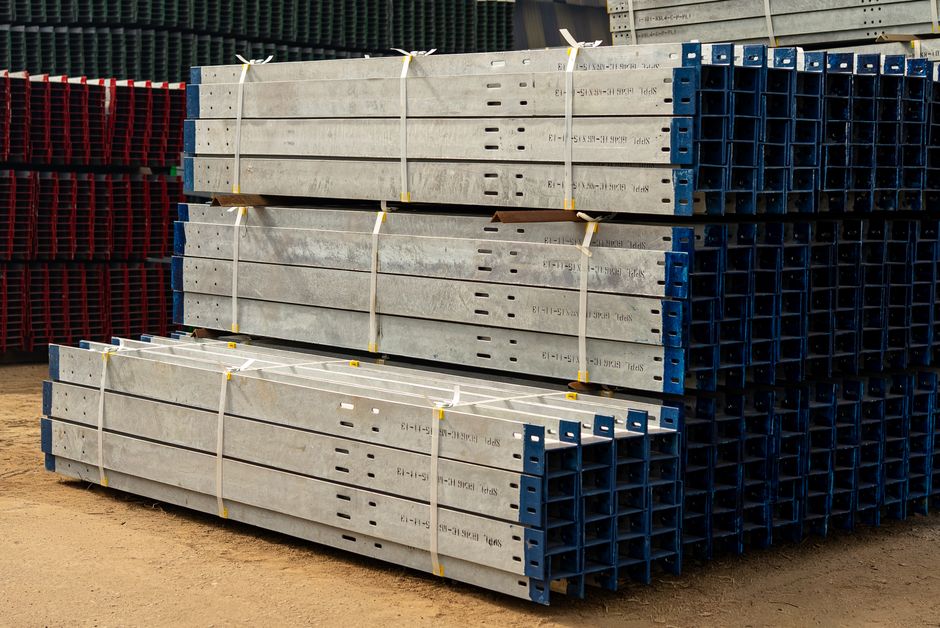
- Structural steel components: purlins, girts, beams, square tubing, eave struts, base angles, receiver channels, and anchor bolt templates.
- Roofing and wall panels: available in 26-gauge and 29-gauge steel with profiles such as Nu-Mag, Nu-Ag, PBR, Board and Batten, Nu-Slim, and Nu-Slim Plus.
- Insulation: helps with energy efficiency and condensation control.
- Doors and frames: including roll-up doors in mini, low-profile, commercial, and heavy commercial styles.
- Trim and fasteners: small but critical pieces that seal edges and secure panels.
Metal Buildings Supplies: Structural Components That Matter
The structural components are the skeleton of your metal building. Purlins run horizontally across the roof and support the roof panels. Girts run along the walls and provide the same support for wall panels. Eave struts connect the roof and wall panels at the eave, creating a solid line along the top of the wall. Base angles and receiver channels form the transition between the foundation and the wall panels, giving installers a clean surface to anchor to.
Pre-punched base channel and base angle simplify installation and create even spacing for drive pins. This small detail saves time on the job site and helps ensure a straight, professional-looking structure. Anchor bolt templates are another helpful supply because they are marked to match the erection drawings and include reference marks and pre-drilled attachment holes. Using them during foundation placement reduces errors and keeps the building aligned with your concrete work.
Other structural supplies include beams and square tubing for headers, column supports, and secondary framing. The exact mix depends on your building’s size, layout, and the local building code requirements. A custom-engineered metal building will specify the right members for your wind and snow load requirements, so every component works together.

Roofing and Wall Panels: Profiles and Materials
Your choice of panels affects the building’s appearance, durability, and price. Metal building panels are typically made from steel in 29-gauge or 26-gauge thickness. 29-gauge steel is lighter and more affordable, while 26-gauge steel is thicker and offers more resistance to impacts and high winds. For properties in mountain and high-desert regions, 26-gauge panels are often worth the additional cost.
Several profiles are commonly used for metal buildings supplies. Nu-Mag and Nu-Ag are popular choices with a coverage width of 36 inches, making them efficient for large roofs and walls. PBR panels are also widely used in agricultural and commercial applications. If you prefer a more residential look, Board and Batten panels offer vertical seams and a clean, classic style. For smaller accent areas, Nu-Slim and Nu-Slim Plus provide a 16-inch coverage width and a tighter rib pattern.
R-panels deserve special mention as an affordable option for steel building roofs and walls. They can be installed over open framing or solid substrate, giving you flexibility. Steel roofing and siding offer durability, energy efficiency, and low maintenance compared to traditional materials, which is why so many property owners choose metal for its long service life.
Insulation and Weatherproofing Essentials
Insulation is a key part of any metal buildings supplies package. It helps regulate indoor temperatures, reduces condensation, and lowers energy costs. In hot western summers and cold winter months, a well-insulated metal building stays more comfortable and protects stored equipment, vehicles, and livestock from temperature swings.
Insulation is available in different forms, including reflective foil and fiberglass roll systems. The best choice depends on your climate and how you use the building. For example, a workshop that sees daily use may benefit from a higher R-value, while an RV cover or equipment shed may only need basic condensation control.
Other weatherproofing accessories include skylights, which bring natural light into the interior and reduce the need for artificial lighting during the day. Eave struts, base angles, and receiver channels all help seal the connections between panels and framing. Quality trim and closure strips prevent water and pests from getting in at the edges and corners.

Doors, Trim, and Accessories
Choosing the right doors is important for convenience and security. Roll-up doors for metal buildings are available in mini, low-profile, commercial, and heavy commercial styles. Mini roll-up doors work well for small storage spaces and utility rooms. Low-profile and commercial options are better for larger openings and frequent use. Heavy commercial roll-up doors are designed for demanding work environments where durability is essential.
Don’t overlook small but essential supplies. Door frames, jamb trim, corner trim, and flashing protect the building from moisture and create a finished appearance. Fasteners, including screws and bolts, are the pieces that hold everything together. Using the right coating on fasteners prevents corrosion where panels meet the frame.
Many metal building suppliers offer packages that include these accessories, which simplifies ordering and makes sure you have all the pieces for a complete installation. This is particularly helpful for first-time buyers who may not know every item required.
Bolt-Up vs. Weld-Up Steel Buildings
Another decision you will face is whether to choose a bolt-up or weld-up steel building. Bolt-up steel buildings are assembled with bolted connections, which makes the erection process straightforward and easy to inspect. Weld-up buildings require fewer parts and can be less expensive, but they rely on skilled welders to create strong joints on site.
Both types can be engineered to meet local wind and snow load requirements. Your choice often comes down to budget, the equipment available at the site, and the labor you have access to. A local builder can help you compare the options and recommend the best approach for your carport, shed, or commercial building.
How to Choose Quality Metal Buildings Supplies
Quality matters at every level, from the gauge of the steel to the precision of pre-punched components. When comparing metal buildings supplies, consider the following factors.
- Local engineering: Make sure the materials are designed for your area’s wind and snow load requirements.
- Panel gauge: Choose 26-gauge for added strength in harsh climates or 29-gauge for a more budget-friendly option.
- Coatings and finishes: Look for corrosion-resistant steel and fasteners.
- Complete packages: A supplier that includes trim, fasteners, doors, and insulation simplifies your project.
- Professional installation: Certified crews ensure all components go together correctly.
Working with a local provider who serves the western states means you get advice based on real-world experience in your region. A company that offers custom design, free quotes, licensed installation crews, on-time delivery, and clean job sites will make the entire process easier. You also want a supplier that stands behind its work and offers support after installation.
Finding the Right Supplier for Metal Buildings Supplies
Whether you need a simple RV cover, a large agricultural barn, or a commercial steel building, the right supplier can make all the difference. Look for a company that provides design assistance, detailed quotes, and clear communication. Local expertise matters because building codes and weather conditions vary from one county to the next.
From base angles and purlins to panels and skylights, every supply has a role in the performance of your structure. When you choose high-quality metal buildings supplies and work with an experienced team, you get a building that lasts for decades with minimal maintenance.
Frequently Asked Questions
What supplies do I need for a metal building?
You need structural components such as purlins, girts, beams, eave struts, base angles, and receiver channels, along with roof and wall panels, insulation, doors, door frames, trim, fasteners, and skylights if you want natural light. A complete package may also include anchor bolt templates.
What are the main structural components of a steel building?
The main structural components include purlins, girts, beams, square tubing, eave struts, base angles, receiver channels, and anchor bolt templates. Pre-punched base channel and base angle make installation easier and keep spacing even.
What type of metal panel should I use for my roof and walls?
Choose from 26-gauge or 29-gauge steel panels based on your budget and weather exposure. Profiles like Nu-Mag, Nu-Ag, and PBR are common for large roofs, while Nu-Slim, Nu-Slim Plus, and Board and Batten offer different aesthetics. R-panels are an affordable option for both roofs and walls.
Do I need insulation for a metal building?
Insulation is recommended for most metal buildings because it reduces condensation, controls indoor temperatures, and lowers energy costs. The right type depends on your climate and how you use the building.
How do I choose between a bolt-up and a weld-up metal building?
Bolt-up steel buildings use bolted connections and are straightforward to assemble. Weld-up buildings require fewer parts and can be less expensive but need skilled welders on site. Your supplier can help you weigh cost, labor, and local requirements.


