A metal RV cover is one of the best investments you can make for your RV, fifth-wheel, camper, or motorhome. It creates a dedicated, engineered steel shelter that protects your vehicle from sun, snow, rain, hail, dust, and pests. For RV owners across Utah, Idaho, Wyoming, Montana, Colorado, New Mexico, Texas, Oklahoma, Kansas, Nebraska, Washington, and Oregon, a metal RV cover is more than a storage solution. It is a way to extend the life of your rig and keep it ready for the next trip.
This guide covers the most important things you need to know before buying a metal RV cover: sizes, configurations, roof styles, pricing, wind and snow load ratings, and professional installation. By the end, you will know how to choose a cover that fits your vehicle and your local climate.
What Is a Metal RV Cover?
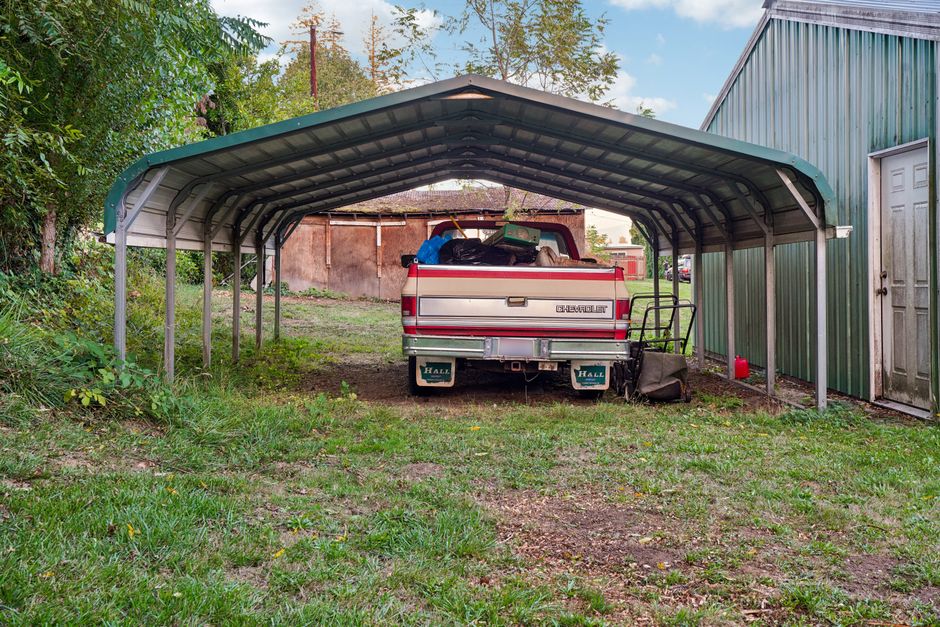
A metal RV cover is a steel structure designed to fit over large recreational vehicles. It can be as simple as a roof-only canopy or as protective as a 3-sided building. Most are built with 14-gauge galvanized steel framing and 29-gauge steel roof panels. That combination gives you a strong, low-maintenance shelter that can handle decades of weather.
Unlike an open carport, a metal RV cover is sized to accommodate tall vehicles. Many designs include 14-foot legs or taller, which gives you room to walk around a Class A motorhome with rooftop AC units. You can also order longer lengths to fit a 40-foot fifth-wheel and the truck that pulls it.
These covers are not one-size-fits-all. You can choose a roof-only design if you just need protection from sun and rain, or a frame-only design if you plan to add your own enclosure later. For more coverage, a 2-sided cover blocks wind and blowing snow from two directions, while a 3-sided cover gives you a sheltered area that feels almost like a garage.
Why Your RV Needs a Metal Cover
RVs sit for long stretches of time. That makes them vulnerable to UV rays, moisture, and small animals. A metal RV cover protects against all of these. It keeps the roof and sidewalls from fading, prevents mold and mildew from forming under rubber roofs, and stops leaves and debris from collecting around seals. It also shields tires from UV damage and keeps the interior cooler in summer.
Resale value is another reason. A well-maintained RV is worth more when it comes time to sell. Buyers can see that the exterior has been protected, and they worry less about hidden water damage. A metal RV cover also adds a layer of security because your vehicle is not sitting out in the open.
Metal RV Cover Sizes and Configurations
Choosing the right size starts with measuring your RV. You need to know the total length, width, and height. Common metal RV cover widths range from 12 ft to 24 ft, and lengths range from 21 ft to 40 ft or more. A 12-foot-wide cover works for a standard truck or trailer, but a 14-foot or wider cover gives you more comfortable clearance.
- Length: Measure from the front bumper to the back of the RV. Add at least 2 ft so you have room to walk around.
- Width: Consider your RV’s width plus enough space for doors and mirrors. 12 ft is a common starting point; 18 ft or wider offers more room.
- Height: Include the tallest part of your RV, such as an air conditioner. A 14 ft leg height is common for larger motorhomes.
- Configuration: Decide between roof-only, frame-only, 2-sided, or 3-sided.
Standard sizes include 12′ x 26′ and 12′ x 31′ for older travel trailers and smaller motorhomes. If you have a large fifth-wheel or a heavy truck, an 18′ x 30′ x 14′ cover provides extra length and height.

Metal RV Cover Cost and Pricing Factors
The cost of a metal RV cover depends on more than the size. The roof style, wind and snow ratings, and your location all play a role. For example, a 12′ x 26′ regular style metal RV cover can cost about $2,815 installed. A 12′ x 31′ version runs around $3,420 installed. For a larger 18′ x 30′ x 14′ unit, prices can start near $4,110, but the exact quote will vary by state and local requirements.
Pricing can also change based on the terrain at your site. A flat, level location is easier to install than a sloped or rocky area. Your local dealer will account for access, ground conditions, and any additional anchors or reinforcements needed for high wind areas.
Delivery and professional installation are often included in the price. That is a significant value because you avoid renting equipment, coordinating a crew, or dealing with the details of a steel building installation. Financing options are available for many buyers, so you can spread the cost over time.
Roof Styles: Vertical vs. Regular
Metal RV covers come in two common roof styles: regular and vertical. A regular roof is sloped to shed water and snow. It is the most economical option and meets local wind and snow load requirements for many areas. For RV owners in milder climates, a regular roof offers solid protection at a lower cost.
A vertical roof uses AG panel ribs that are 3/4-inch tall and spaced 9 inches on center. These ribs make the panels stiffer and create channels that move water and snow off the roof quickly. The vertical design is a good choice for areas that get heavy snowfall or frequent windstorms. The extra rigidity also gives you more flexibility if you want to add one side, two sides, or a full enclosure later.

Wind and Snow Load Engineering
Your metal RV cover needs to handle the weather where you live. Standard certification for many metal RV covers is 140 MPH wind and 25 PSF snow load. In areas with severe winter storms or high wind events, you can upgrade to a cover certified for 170 MPH winds and 65 PSF snow load.
Local building codes often specify the minimum wind and snow ratings for any structure. An engineered steel building that meets those requirements will pass a permit inspection and, more importantly, will protect your RV season after season. Always work with a provider who understands the wind and snow load requirements in your county or municipality.
Customization and Professional Installation
One of the biggest advantages of a custom-engineered metal RV cover is the ability to tailor it to your property. You can choose the width, length, height, roof style, and how many sides to enclose. Some owners add a frame-only structure for a future workspace. Others prefer a 3-sided cover that keeps snow from drifting against the RV.
Professional installation is included with many metal RV covers. Certified crews handle delivery, prep, and assembly. They make sure the frame is square, the panels are secured, and the structure is anchored correctly. Because these buildings are engineered systems, proper installation is critical. A licensed crew also keeps the job site clean and completes the project on time.
How to Choose the Right Metal RV Cover
Start by measuring your RV and deciding the level of protection you want. Then think about your local climate. Do you need a 170 MPH wind rating? Do you get 65 PSF snow loads? Your dealer can help you match the engineering to your location.
Next, get a free quote. A local provider will walk you through the available configurations and pricing. Ask about delivery, installation, and any permits you may need. A good quote will include everything from start to finish, so you know exactly what to expect.
Finally, choose a company with local experience and certified installation crews. That expertise makes a difference in how well your cover performs and how long it lasts.
Frequently Asked Questions
What size metal RV cover do I need?
Measure the length, width, and height of your RV, including rooftop AC units. Add a few feet of clearance, and choose a width that gives you room to walk around. Common widths are 12 ft to 24 ft, with lengths from 21 ft to 40 ft or more.
How much does a metal RV cover cost?
A smaller regular style cover can cost around $2,815 installed, while a larger 18′ x 30′ x 14′ cover starts near $4,110. Prices vary by state, location, and customization.
What is the difference between vertical and regular roof styles?
A regular roof is the most economical and meets local requirements in many areas. A vertical roof has 3/4-inch AG panel ribs spaced 9 inches on center, which add strength and help shed snow and water more efficiently.
Are metal RV covers certified for wind and snow loads?
Yes. Standard certification is often 140 MPH wind and 25 PSF snow load, with upgraded options up to 170 MPH and 65 PSF for harsher climates.
Is installation included with a metal RV cover?
In many cases, delivery and professional installation are included in the price. Certified crews handle the assembly and make sure your cover meets all engineering requirements.
Frequently Asked Questions
What size metal RV cover do I need?
Measure the length, width, and height of your RV, including rooftop AC units. Add a few feet of clearance and choose a width that gives you room to walk around. Common widths are 12 ft to 24 ft, with lengths from 21 ft to 40 ft or more.
How much does a metal RV cover cost?
A smaller regular style cover can cost around $2,815 installed, while a larger 18' x 30' x 14' cover starts near $4,110. Prices vary by state, location, and customization.
What is the difference between vertical and regular roof styles?
A regular roof is the most economical and meets local requirements in many areas. A vertical roof has 3/4-inch AG panel ribs spaced 9 inches on center, which add strength and help shed snow and water more efficiently.
Are metal RV covers certified for wind and snow loads?
Yes. Standard certification is often 140 MPH wind and 25 PSF snow load, with upgraded options up to 170 MPH and 65 PSF for harsher climates.
Is installation included with a metal RV cover?
In many cases, delivery and professional installation are included in the price. Certified crews handle the assembly and make sure your cover meets all engineering requirements.

