Few things shorten the life of an RV faster than constant exposure to sun, hail, snow, and wind. A steel rv cover is one of the most practical investments you can make to protect your travel trailer, fifth wheel, or motorhome from the elements while keeping it ready for your next trip. In this buying guide, we break down steel RV cover prices, sizes, roof styles, engineering requirements, and the options that matter most.
Whether you need a simple shelter for a weekend camper or a large enclosed structure for a commercial fleet, understanding how steel RV covers are designed and built can help you make a confident decision. From the high desert of Utah to the mountain passes of Montana, local wind and snow loads play a major role in what type of cover you need.
What Is a Steel RV Cover?
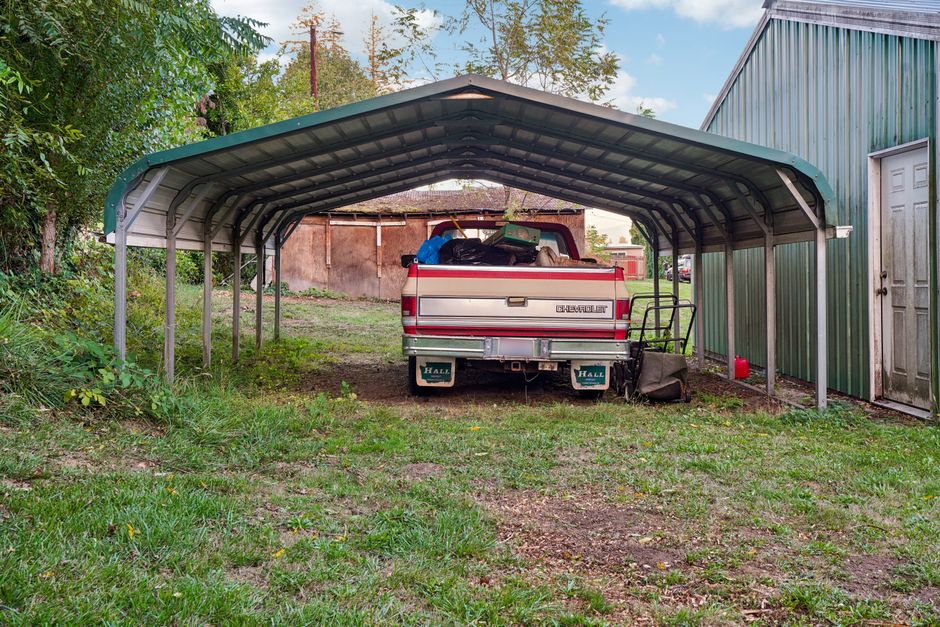
A steel RV cover is a pre-engineered metal structure built to store recreational vehicles, travel trailers, fifth wheels, boats, trucks, ATVs, golf carts, and lawn equipment. Unlike a typical carport, an RV cover is sized and designed with taller leg heights and wider clearances to accommodate the dimensions of modern RVs. Most standard configurations range from 12 to 24 feet in width and 26 to 36 feet in length, giving you room for everything from a small travel trailer to a large fifth wheel.
A 12-foot leg height is the standard for steel RV covers, allowing clearance for tall RVs, boats, and equipment. Because the structure is pre-engineered, it can be customized to match the specific size of your vehicle while still meeting local building requirements. Although the name focuses on RVs, the same structure works well for boats, work trucks, and farm equipment.
Why Steel Is a Smart Choice for RV Storage
Steel is naturally resistant to rot, warping, and pests. It handles heavy snow loads and high winds better than most alternative materials, and it does not need to be repainted every few years. Quality steel RV cover providers use 14-gauge galvanized steel for framing, with 12-gauge steel available when you need added strength. Roof panels are commonly 29-gauge painted steel, such as AG panels with 3/4-inch ribs spaced 9 inches on center. Many panels feature galvalume coating or premium paint systems like Beckers paint to resist chalking and fading.
- UV and weather protection helps keep your RV’s exterior in better shape.
- Hail, snow, and falling debris stay off the roof and body.
- Low maintenance means no wood to seal, stain, or replace.
- Long-lasting steel framing and panels support decades of use.
- Typical warranties include coverage up to 20 years against paint chalk and fade.

Standard Steel RV Cover Sizes and Layouts
Choosing the right size is the first step in protecting your vehicle. Steel RV covers are available in widths from 12 to 24 feet and lengths from 26 to 36 feet in standard configurations. The size you need depends on the length, width, and height of your RV, plus the space you want for opening doors and walking around the vehicle.
- 12 to 14 feet wide: best for smaller travel trailers, trucks, and ATVs.
- 16 to 20 feet wide: a common choice for fifth wheels and larger RVs.
- 20 to 24 feet wide: ideal for big motorhomes, boats, or multiple vehicles.
- 26 to 36 feet long: accommodates most RVs, with additional room for accessories.
A 12-foot leg height is the standard for steel RV covers, allowing enough clearance for tall RVs, boats, and equipment. If you plan to upgrade to a larger RV in the future, leaving a little extra width or length at the time of purchase can be a smart investment.
How much does a steel rv cover cost?
Price is often the first question on every buyer’s list. A small 12×26 regular style steel RV cover may cost about $2,800 installed, depending on market and options. At the other end, a 30×35 steel RV cover with an enclosed lean-to, roll-up door, and walk-in door can start around $12,700 before local engineering and site upgrades. That wide range reflects the reality that steel RV cover prices vary significantly by state, location, and customization. The best way to get an accurate number for your property is to request a free quote based on your exact size, roof style, and add-ons.
Several factors drive the final price:
- Size and leg height.
- Roof style, such as regular style or vertical roof.
- Enclosed sides, lean-to, and door upgrades.
- Anchor type required for your soil or surface.
- Local engineering and site considerations.
Keep in mind that the installed price may not include site preparation such as clearing, grading, or a concrete pad. A reputable provider will explain what is included and what needs to be handled locally before installation.
Vertical Roof vs. Regular Style: What’s the Difference?
The roof style affects both performance and price. A regular style roof, sometimes called a barn style roof, features rounded eaves and horizontal panels. It is the most economical option and works well in areas with moderate snow. A vertical roof, by contrast, has panels that run from the ridge down to the eave, allowing snow, rain, and debris to slide off more easily.
Vertical roof designs are popular in high-elevation and heavy-snow regions because they reduce the chance of standing moisture and help keep the building clean. Regardless of the style, roof panels are commonly 29-gauge painted steel, such as AG panels with 3/4-inch ribs spaced 9 inches on center. When you request a quote, ask your provider for a recommendation based on the weather in your county.
Customization Options for Your Steel RV Cover
One of the biggest advantages of a custom-engineered steel RV cover is that you can tailor it to your property and your vehicle. You can close in ends or sides to create extra storage, add a gable extension for a more finished look, or choose from 14 or more colors to match your home or barn. For easier entry, many owners add a roll-up door or a walk-in door, and a lean-to can provide covered storage for a tractor, ATV, or other equipment.
- Enclosed ends or sides for added security.
- Gable extension for extra shaded space.
- 14 or more color options.
- Roll-up door or walk-in door.
- Lean-to for additional covered storage.
- Anchoring options for different ground conditions.
Anchoring is another important consideration. Depending on your site, your provider may use rebar anchors, concrete anchors, helical anchors, or asphalt anchors to secure the structure against high winds. The right anchor depends on whether you are installing over dirt, gravel, concrete, or asphalt, and local building codes may also play a role.

Engineering and Certifications: Wind and Snow Loads
Steel RV covers must be engineered to handle the local wind and snow load requirements in your area. Good providers design every structure to meet local building standards, including the International Building Code. Depending on where you live, a steel RV cover can be certified for wind speeds up to 170 mph and snow loads up to 65 pounds per square foot. The framing typically uses 14-gauge galvanized steel, with 12-gauge steel available for extra strength in severe weather zones.
Snow load is measured in pounds per square foot (PSF), and wind speeds are listed in miles per hour (MPH). When you request a quote, make sure the provider asks about your county’s requirements so the building is designed correctly. If a provider does not ask about local weather conditions, that is a red flag. A properly engineered steel RV cover is not just a metal shell; it is a structure designed to stay put through severe storms.
Delivery, Installation, and What to Expect
Many quality steel RV cover providers include free delivery and professional installation in the price. That means you are not just buying a pile of steel panels; you are getting a certified installation crew that handles the entire setup. A professional crew will arrive on time, keep the job site clean, and make sure every anchor, panel, and trim piece is installed correctly. On-time delivery and clean job sites are a sign of a reliable provider, and post-installation support gives you peace of mind if you ever have questions about maintenance or warranty coverage.
During installation, the crew will typically prepare the site, set the anchors, erect the steel frame, attach the roof and wall panels, and complete the trim. The entire process is handled by trained installers, so you can enjoy your new cover without worrying about the details. Ask your provider how they handle project updates and what to do if you need service after the installation is complete.
How to Get a Free Steel RV Cover Quote
Ready to protect your investment? Getting a free quote is simple. A local provider will ask about the size of your RV, your property, and any custom features you want. They will also consider your state and county to make sure the cover is engineered for local wind and snow loads. Be sure to ask about financing options if you want to spread the cost over time.
- Vehicle type, size, and height.
- Preferred width, length, and leg height.
- Roof style: regular style or vertical roof.
- Desired add-ons, such as lean-to or doors.
- Site information, including whether the ground is dirt, gravel, concrete, or asphalt.
Whether you are in Utah, Idaho, Wyoming, Montana, Colorado, New Mexico, Texas, Oklahoma, Kansas, Nebraska, Washington, or Oregon, a custom steel RV cover can be designed and installed to fit your needs. Requesting a free quote is the fastest way to get accurate pricing and a structure that will last for decades.
Frequently Asked Questions
How much does a steel RV cover cost?
Prices vary by size, location, and options. A small 12x26 regular style steel RV cover may cost about $2,800 installed, while a larger 30x35 cover with a lean-to, roll-up door, and walk-in door can start around $12,700 before local engineering and site upgrades.
What size steel RV cover do I need for a fifth wheel or travel trailer?
Standard steel RV covers range from 12 to 24 feet wide and 26 to 36 feet long. A 12-foot leg height provides clearance for most tall RVs, but exact sizing should be confirmed with a professional quote.
What is the difference between a vertical roof and a regular style roof?
A regular style roof has rounded eaves and horizontal panels, making it the most economical option. A vertical roof uses panels that run from ridge to eave, which helps shed snow and water more effectively and is often recommended for high-snow areas.
Do steel RV covers meet local wind and snow load requirements?
Yes, when properly engineered. Steel RV covers can be certified for wind speeds up to 170 mph and snow loads up to 65 pounds per square foot, and providers design them to meet local requirements based on the International Building Code.
Is delivery and installation included in the price?
Quality steel RV cover providers include free delivery and professional installation in the quote. Certified crews handle the setup, and reputable companies focus on on-time delivery and clean job sites.

