Your RV is a significant investment, and leaving it exposed to sun, rain, snow, and debris can lead to costly damage. A metal rv cover offers a durable, low-maintenance solution that protects your vehicle for decades. Whether you drive a motorhome, tow a camper, or store a boat, a steel structure designed specifically for recreational vehicles is a smart addition to your property.
In this buying guide, we will walk you through the most important factors to consider when purchasing a metal rv cover: sizing, materials, engineering, customization, installation, and cost. We will also explain how working with a local provider in the western states can help you get a building that meets your local building codes and weather conditions.
Why Your RV Needs a Metal RV Cover
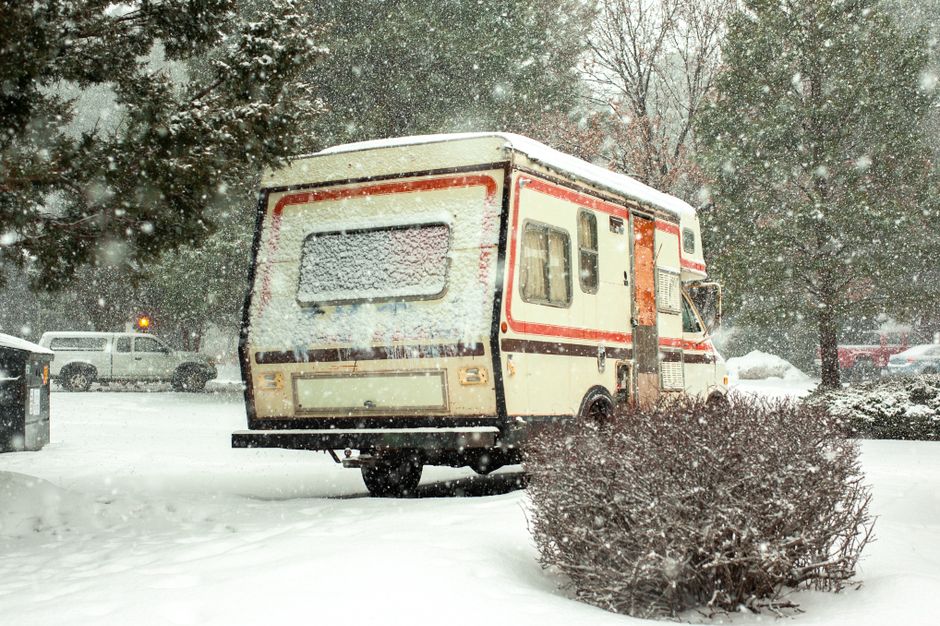
RVs are built to travel, but they are not designed to sit outside for years at a time. Constant exposure to UV rays, rain, snow, hail, dust, and tree debris can cause fading, rust, mold, and mildew. A metal rv cover creates a protective barrier that extends the life of your vehicle and preserves its resale value.
Unlike fabric covers, which can flap in the wind and trap moisture, a steel structure offers a rigid, ventilated shelter. It also gives you a shaded area to work on or load your RV, and it can double as storage for other vehicles, equipment, or outdoor gear.
Common Sizes and Specs to Consider
Metal RV covers are commonly available in widths from 12 ft to 24 ft and lengths from 26 ft to 40 ft or more. Choosing the right dimensions starts with measuring your RV’s height, width, and length. Standard leg heights of 12 ft provide clearance for tall RVs, motorhomes, boats, and equipment, but you can often customize the height to fit taller vehicles.
When sizing your cover, add a few feet of extra width and length on each side. This gives you room to walk around the RV, open doors and compartments, and park without scraping the walls. For example, if your RV is 10 ft wide and 30 ft long, a 12 ft by 34 ft cover is a comfortable fit.
Framing and Panel Thickness
Framing is typically built with 14-gauge galvanized steel, which resists corrosion and provides reliable structural support. If you live in an area with extreme winds or heavy snow, some manufacturers offer 12-gauge framing for extra strength. Roof paneling often uses 29-gauge steel, which balances durability and weight. These materials are engineered to handle the tough weather conditions found across Utah, Idaho, Wyoming, Montana, Colorado, New Mexico, Texas, Oklahoma, Kansas, Nebraska, Washington, and Oregon.

Roof Styles: Vertical vs. Regular (Barn)
One of the most visible customization choices is the roof style. A vertical roof has peaks and valleys that run from the front to the back of the building, with the ridges oriented to shed water and snow quickly. This style is ideal for high-snow regions because snow slides off more easily, reducing the risk of accumulation and roof overload.
A regular barn roof, also called a horizontal roof, has the ribs running side to side. It is a classic, economical option that works well in milder climates. For heavy snow or high winds, a vertical roof is generally the better choice. Many providers offer both styles, along with multiple color options, so you can match your cover to your home or property.
Engineering for Wind and Snow Loads
Your local building codes and weather patterns determine how strong your metal rv cover needs to be. Many metal RV covers are engineered to meet wind ratings of 140 mph and snow loads of 25 PSF. In areas with more extreme weather, you can find buildings rated up to 170 mph wind and 65 PSF snow load.
Before you order, check the wind and snow load requirements for your county or city. A local team that understands the western states can help you choose the right engineering package. They can also handle the permitting process and make sure your structure meets all applicable codes.
Anchoring Options
Your cover must be securely anchored to the ground to withstand high winds. Anchoring options include rebar anchors, concrete anchors, helical anchors, and asphalt anchors. Each works best for a specific surface:
- Rebar anchors: ideal for gravel or dirt surfaces, where the rods are driven into the ground.
- Concrete anchors: used when the cover sits on an existing concrete pad, providing maximum stability.
- Helical anchors: screw into the ground and work well in soft or unstable soil.
- Asphalt anchors: designed for paved parking areas or RV lots.
Your installer can recommend the best option based on your site conditions.
Customizing: Side Panels, Ends, and Anchors
A metal rv cover can be as simple or as complete as you need. Optional features include side panels, end closures, extended gable ends, and J-trim for a finished look. Side panels protect your RV from wind-driven rain and dust, while end walls can create a fully enclosed garage for added security and weather protection.
Many people start with a basic cover and add panels later as their needs change. That flexibility is one of the biggest advantages of a custom metal building. You can also choose from a variety of colors and roof profiles to complement your home’s exterior.
Delivery, Installation, and Post-Support
Professional delivery and installation are often included in the price when you work with a full-service provider. A certified installation crew handles the site preparation, assembly, and anchoring, so you do not have to worry about a complicated DIY project. They also ensure the building is level, square, and secure.
Look for a company that provides on-time delivery and leaves a clean job site. After installation, you want a provider that stands behind their work and offers responsive customer support. A reputable metal building company will walk you through the entire process, from design and pricing to final inspection.

Cost and Financing Factors
The cost of a metal rv cover depends on several factors: size, roof style, gauge of steel, optional panels, anchoring method, and whether installation is included. Larger covers and those with higher wind and snow ratings typically cost more. That said, a metal rv cover is a long-term investment that can save you money on repairs, paint jobs, and replacing weather-damaged components.
When comparing quotes, make sure you understand exactly what is included. Some companies offer a base price and then add fees for delivery, installation, or permits. A transparent quote from a local provider helps you avoid surprises. Many businesses also offer simple financing options, so you can protect your RV now and pay over time.
Choosing a Local Provider
Selecting the right metal rv cover company is as important as choosing the right building. A provider with experience in your region will know the local building codes, wind and snow loads, and soil conditions. They can recommend the best anchoring system and make sure your cover is engineered to perform for decades.
Look for a company that offers custom design assistance and free quotes. They should be willing to listen to your needs, answer your questions, and provide a clear contract. With the right team, you will get a durable, code-compliant metal rv cover that protects your investment and gives you peace of mind for years to come.
Frequently Asked Questions
What size metal RV cover do I need for my vehicle?
Add a few feet of extra width and length on each side of your RV's measurements. For example, a 10 ft wide, 30 ft long RV fits comfortably in a 12 ft by 34 ft cover. Standard leg heights of 12 ft clear most motorhomes and campers.
How much does a metal RV cover cost with installation?
Costs vary based on size, roof style, steel gauge, optional panels, and anchoring. Professional delivery and installation are often included in the price by full-service providers, which helps you avoid extra fees and ensures the structure is set up correctly.
What wind and snow load ratings should I look for?
Most metal RV covers are engineered to handle 140 mph wind and 25 PSF snow load. In harsher climates, look for buildings rated up to 170 mph wind and 65 PSF snow load. Check your local building codes to confirm what is required.
Can I customize the height and width of my RV cover?
Yes, most manufacturers allow custom widths, lengths, and leg heights. Standard 12 ft leg heights work for most RVs, but you can order taller legs for high-roof motorhomes or trailers.
What roof style is best for heavy snow or high winds?
A vertical roof is the best choice for heavy snow because its ridges run from front to back, letting snow slide off quickly. It is also more resistant to high winds. A regular barn roof is a more economical option for milder climates.

