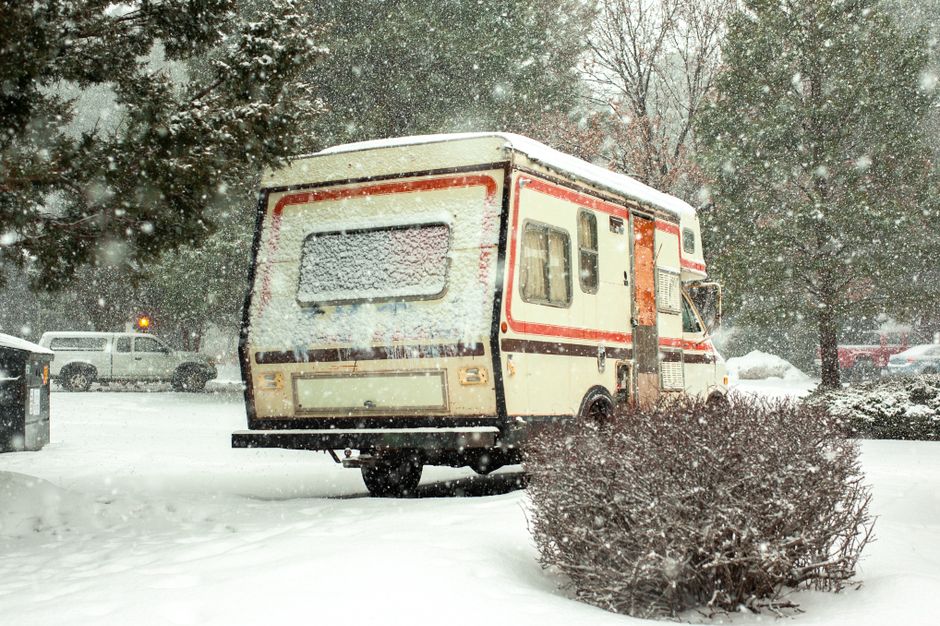
An rv cover metal structure is one of the most practical upgrades you can make for your recreational vehicle. Whether you drive a Class A motorhome, a fifth wheel trailer, or a camper van, a custom-engineered steel cover protects your investment from sun, snow, hail, and the everyday wear of outdoor storage. Unlike a tarp or fabric cover, a metal RV cover is built to handle the wind and snow loads common throughout the western United States.
At Metal Carports and Buildings, we design, deliver, and install custom metal RV covers for homeowners, farmers, ranchers, and businesses across Utah, Idaho, Wyoming, Montana, Colorado, New Mexico, Texas, Oklahoma, Kansas, Nebraska, Washington, and Oregon. Every structure is engineered to meet local building codes, including ASCE 7 wind load requirements and the International Building Code (IBC). With professional design help and certified installation crews, you get a cover that fits your RV and your property.

Why Choose an RV Cover Metal Structure Over a Tarp?
Tarps and fabric covers can trap moisture, flap in the wind, and wear out after a season or two. A metal RV cover is a permanent, low-maintenance solution that provides year-round protection. It shields your RV from UV rays, rain, snow, hail, mold, mildew, dust, debris, and pests. It also helps preserve your RV’s resale value by keeping the exterior and roof in good condition.
Metal carports are also easier to maintain than fabric alternatives. Galvanized steel and Galvalume coatings resist corrosion, and a quality paint system keeps the structure looking good for years. You will not need to re-tie straps, replace grommets, or worry about a tarp tearing in a storm. Once the cover is installed, it simply does its job.
- UV rays can fade paint and crack seals; a steel roof blocks the worst of the sun.
- Snow and hail slide off vertical roof panels instead of pooling.
- Rain and moisture stay off the roof, so mold and mildew have less chance to grow.
- Dust, tree sap, and bird droppings stay off the exterior.
- Pests such as rodents and insects are less likely to nest around a secured metal structure.
Finding the Right RV Cover Metal Size for Your Vehicle
Size is the most important decision when ordering an RV cover. A cover that is too short or too low will not protect the roof, and one that is too small can damage the finish. The best approach is to measure your RV’s length, width, and height, and then add extra space for clearance.
Most suppliers offer a range of width, length, height, roof style, and side or gable kit options. That makes it easy to start with a standard footprint and adjust it for your vehicle. For example, an 18-foot-wide cover with a 30-foot or 40-foot length gives a large RV plenty of room, while a 14-foot or 12-foot width works for smaller coaches and trailers.
Common sizing recommendations by RV class include:
- Class A motorhomes: A popular setup is a 14-foot-wide by 45-foot-long cover with 14-foot sidewalls. The extra side height makes it easier to walk around the coach and provides clearance for rooftop equipment.
- Class C motorhomes: A 12-foot-wide by 40-foot-long cover with 12-foot sidewalls is a common fit for these vehicles.
- Fifth wheel trailers: Measure the overall length including the hitch, and allow extra height for the raised front section.
- Travel trailers and camper vans: Standard widths can work, but you still need to account for the tallest point on the roof.
Rooftop AC units, satellite domes, and solar panels can add more height than the published RV specifications. Always order a cover that is taller than the manufacturer’s listed height so these components have clearance and airflow. It is better to have a little extra room than to discover your RV does not fit.

Vertical Roof vs. Regular Roof: What Is the Difference?
Roof style affects how well your RV cover handles snow and rain. A vertical roof has steel panels that run from the ridge down to the eaves. Water and snow slide off quickly, which reduces the load on the structure. This is a strong choice for mountain states and areas that get heavy snow.
A regular roof style is often more affordable and works well in milder climates. It provides good shade and protection but may not shed snow as aggressively. If you live in a region with frequent winter storms, a vertical roof is usually the safer option.
Many quality RV covers use a 14-gauge galvanized steel frame with 29-gauge steel panels. For extra strength, you can upgrade to a 12-gauge frame, which often comes with a longer warranty. A large vertical roof cover with a 15-foot eave height gives tall motorhomes plenty of room and keeps water moving off the roof.
Steel Gauges and Engineering for Local Wind and Snow Loads
Steel thickness matters. In metal building terms, a lower gauge number means thicker steel. A 14-gauge steel frame is common on quality RV covers. A 12-gauge frame is even heavier and is often selected for high-wind locations. Roof and wall panels are usually 29-gauge steel, which balances strength with weight.
Corrosion protection is just as important. Galvanized steel has a protective zinc coating, while Galvalume adds aluminum and silicon for even better resistance. A good paint system, such as the Beckers paint system used on many metal buildings, helps prevent fading and chalking in the sun.
Every cover should be engineered to meet local conditions. In the western states, wind and snow loads vary dramatically from one county to the next. A cover designed for the high desert may not meet the snow load requirements of mountain towns. That is why custom engineering is essential. Quality structures are designed to meet ASCE 7 and IBC requirements, so you can be confident your RV cover will hold up in severe weather.
When you request a quote, ask about the design loads for your specific location. A local provider can calculate the expected wind speed and snow accumulation for your area, then build a cover that meets or exceeds the requirements.
Custom Design Options for Your Metal RV Cover
One of the advantages of working with a local metal building provider is the ability to customize the cover to your needs. You can choose the width, length, height, roof style, and colors. You can also add side panels to create a fully or partially enclosed structure.
Options often available include:
- Side and gable kits for a more finished look
- Doors and end panels for seasonal or full enclosures
- Additional clearance for tall vehicles and rooftop gear
- Matching trim and paint colors for your home or property
- Wider footprints for boats, tractors, or extra storage
These upgrades turn a simple RV cover into a versatile building. Some owners use the extra space for a workshop, boat storage, or farm equipment. By planning ahead, you can design a structure that serves multiple purposes while still protecting your RV.
What to Expect From Professional Installation
Professional installation is one of the biggest benefits of buying from a full-service metal building company. You do not have to handle assembly yourself. Certified installation crews handle the entire process, from setting the framing to securing the panels, and they follow the engineered drawings for your specific wind and snow loads.
Customers can expect on-time delivery, a clean job site, and a crew that explains the work as it progresses. Good installers also walk through the finished structure with you and answer questions. This level of service protects your investment and helps ensure your RV cover is installed correctly the first time.
Most local jurisdictions require a permit for a permanent metal structure. Your provider can help you understand the permitting process and make sure the building meets code. That is especially important in areas with strict wind and snow load regulations.
Metal RV Cover Costs and Financing
The cost of a metal RV cover depends on the size, steel gauge, roof style, finish, and the options you add. A larger cover with a vertical roof, 12-gauge frame, and enclosed sides will cost more than a basic open carport. But those upgrades also add strength, longevity, and functionality.
The best way to get accurate pricing is to request a free quote from a local provider. Because the quote is based on your RV’s measurements and your area’s building codes, it will reflect the true cost of your project. Many companies offer financing options that make it easier to budget for a new structure, with monthly payments that fit your situation.
When you compare the cost of a metal RV cover with the expense of repairing hail damage, water stains, or pest damage, the cover often pays for itself. It also helps maintain your RV’s resale value, which is an important consideration for many owners.
Frequently Asked Questions About Metal RV Covers
How much does a metal RV cover cost?
The cost varies with the size, steel gauge, roof style, and options. A vertical roof, thicker frame, and enclosed sides raise the price but also improve durability. Contact a local provider for a free quote based on your specific RV and location.
What size metal RV cover do I need for a Class A motorhome?
A common recommendation for a Class A motorhome is a 14-foot-wide by 45-foot-long cover with 14-foot sidewalls. Always measure the actual height, including rooftop AC units, satellite domes, and solar panels, before ordering.
What is the difference between a vertical roof and a regular roof?
A vertical roof has panels running from the ridge to the eave, so snow and water shed quickly. A regular roof is generally more economical and works well in milder climates. Vertical roofs are preferred in areas with heavy snow and rain.
Does a metal RV cover require a permit?
Permit requirements vary by city and county. A metal RV cover is usually considered a permanent structure, so a permit may be required. Your provider can help you understand local rules and navigate the process.
Can I add siding, doors, or other options to a metal RV cover?
Yes. Metal RV covers can be customized with side and gable kits, doors, end panels, colors, and extra height. These options let you create an open carport, a partial enclosure, or a fully enclosed building.
Frequently Asked Questions
How much does a metal RV cover cost?
The cost varies with the size, steel gauge, roof style, and options. A vertical roof, thicker frame, and enclosed sides raise the price but also improve durability. Contact a local provider for a free quote based on your specific RV and location.
What size metal RV cover do I need for a Class A motorhome?
A common recommendation for a Class A motorhome is a 14-foot-wide by 45-foot-long cover with 14-foot sidewalls. Always measure the actual height, including rooftop AC units, satellite domes, and solar panels, before ordering.
What is the difference between a vertical roof and a regular roof?
A vertical roof has panels running from the ridge to the eave, so snow and water shed quickly. A regular roof is generally more economical and works well in milder climates. Vertical roofs are preferred in areas with heavy snow and rain.
Does a metal RV cover require a permit?
Permit requirements vary by city and county. A metal RV cover is usually considered a permanent structure, so a permit may be required. Your provider can help you understand local rules and navigate the process.
Can I add siding, doors, or other options to a metal RV cover?
Yes. Metal RV covers can be customized with side and gable kits, doors, end panels, colors, and extra height. These options let you create an open carport, a partial enclosure, or a fully enclosed building.


